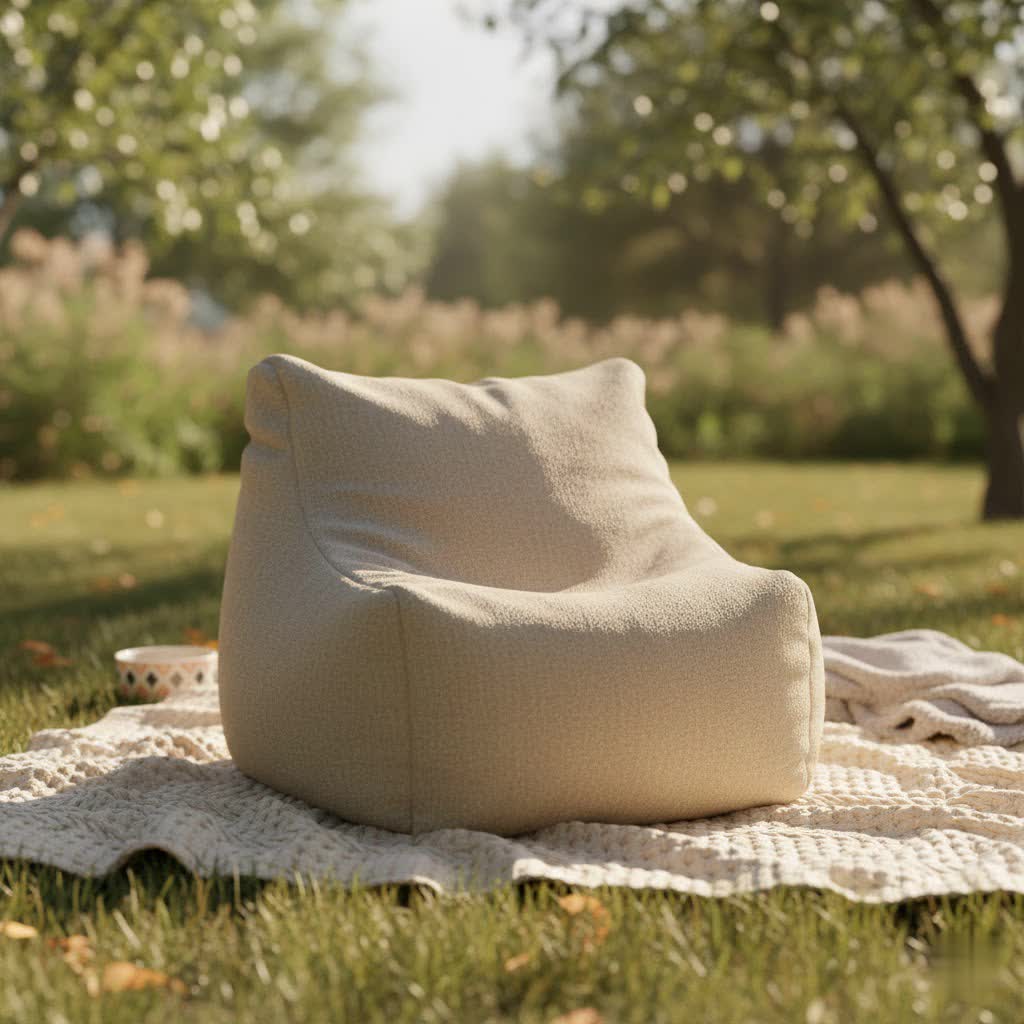
Have you ever searched for that perfect piece of furniture that seamlessly blends comfort, style, and adaptability into your home? The Muji Bean Bag, also known as the Body Fit Cushion or Beads Sofa, has carved out a unique niche in the world of flexible seating, offering a design philosophy that prioritizes both form and function. This guide will delve into everything you need to know about Muji’s iconic bean bag, helping you decide if this innovative piece is the ideal addition to your living space.
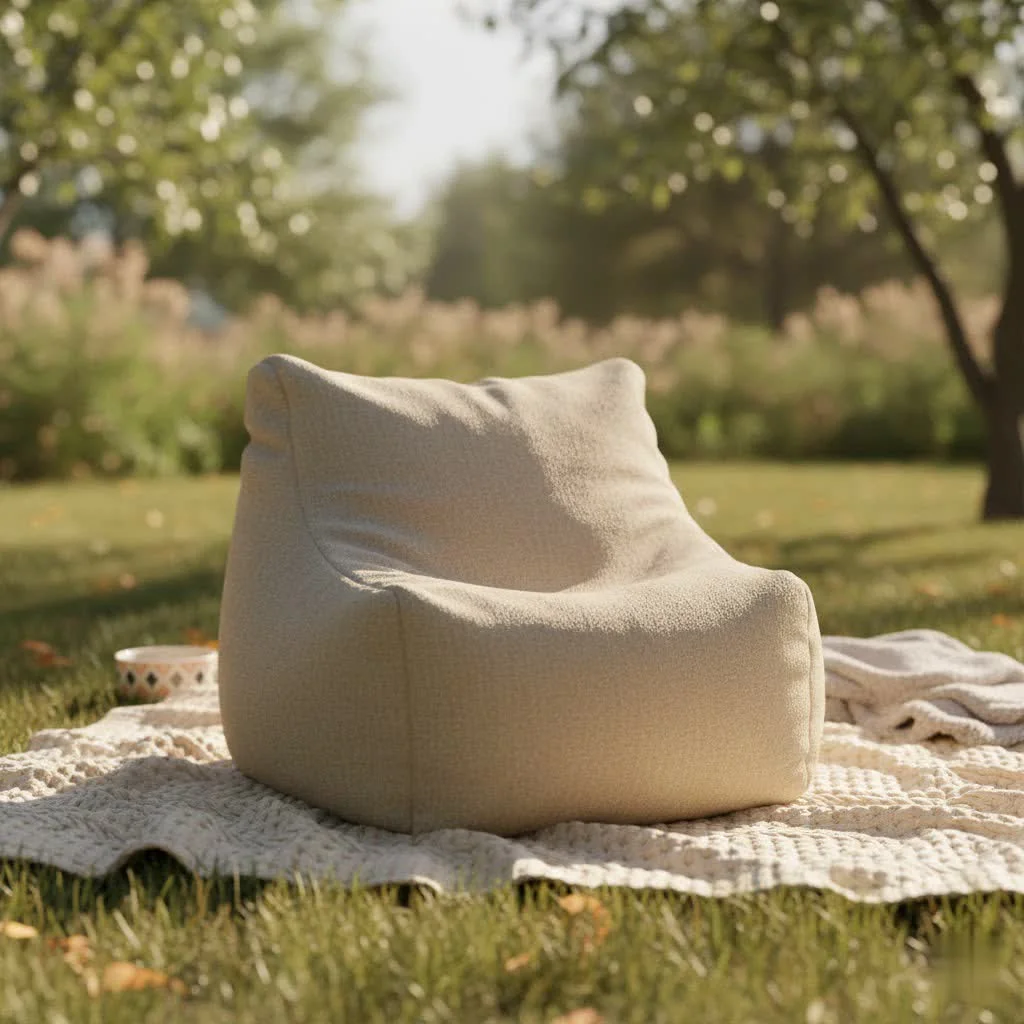
What is the Muji Bean Bag? Why Is It So Popular?
At its core, the Muji Bean Bag embodies the brand’s “no-brand, quality goods” philosophy, offering a simple yet highly functional design that first captivated customers in 2002. Unlike traditional bean bags filled with larger, often less supportive polystyrene beads, the Muji version is filled with incredibly small, sturdy micro-beads. These tiny beads allow the cushion to fluidly conform to your body shape, providing exceptional support and comfort that quickly made it a fan favorite, especially in space-conscious urban environments like Tokyo where it originated. Its popularity stems from this unique combination of adaptive comfort, versatile usage, and a clean, minimalist aesthetic that integrates effortlessly into diverse interior designs.
Types of Muji Bean Bags on the Market
While Muji maintains a consistent design philosophy, their bean bags are primarily categorized by size and the variety of their removable covers. The main offering is typically referred to as the “Beads Sofa” or “Body Fit Cushion,” with a smaller “Mini” version sometimes available.
The true versatility comes with the covers. Muji offers a range of covers made from different materials, including durable cotton, soft polyester, and stylish denim, available in a spectrum of colors. These covers are ingeniously designed with two stretchy sides and four stiffer, non-stretchy sides. This dual-fabric construction allows the bean bag to be positioned in multiple ways—horizontal for a deep, reclined lounge, or vertical for a more upright, chair-like support—without losing its inherent structure. This adaptability ensures the Muji Bean Bag can serve various functions, from a cozy reading nook to an extra seat for guests.
Muji Bean Bag vs. Traditional Bean Bags: Pros, Cons, and Optimal Choice
When considering a bean bag, the Muji offering stands apart from many conventional options. Here’s a detailed comparison to help you understand its unique value proposition:
| Criteria | Muji Bean Bag (Body Fit Cushion) | Traditional Bean Bags (Generic) |
|---|---|---|
| Durability | High; micro-beads resist flattening better over time. | Varies widely; often flattens quickly, requiring refills. |
| Comfort | Excellent; conforms precisely to body for superior support. | Good; can be squishy but often lacks consistent support. |
| Cleanability | Removable, machine-washable covers; body spot-clean only. | Often difficult to clean, covers may not be removable or washable. |
| Price | Higher upfront investment (around $190-$200 for body + cover). | Generally much more affordable (e.g., $50-$100). |
| Aesthetics | Minimalist, clean design; maintains shape, elevates décor. | Can appear “frumpy”; aesthetic appeal varies. |
| Heat Retention | Polyester sides can trap heat, potentially causing sweating. | Varies by material; some can also trap heat. |
| Versatility | Highly versatile; dual-position seating, lightweight, easy to move. | Often limited to one primary lounging position; bulkier. |
Advantages of the Muji Bean Bag:
- Superior Comfort and Support: The fine micro-beads provide unparalleled contouring, giving you a sensation akin to being “wrapped in a cloud.” This makes it ideal for prolonged lounging, reading, or napping.
- Shape Retention: Unlike many bean bags that quickly compress and become shapeless, Muji’s dense micro-bead filling significantly slows down this process, offering consistent support for years.
- Minimalist Aesthetic: Its clean lines and adaptable form factor make it a stylish addition to any modern interior, complementing existing furniture rather than clashing with it.
- Versatility in Use: Its unique two-way stretch fabric allows for different seating postures, from a sprawling recliner to a supportive upright chair, making it suitable for various activities and spaces.
- Washable Covers: The ability to remove and machine wash the covers ensures hygiene and allows for easy color changes to match seasonal decor or refresh a room’s look.
Disadvantages to Consider:
- Higher Cost: The primary drawback for many is the price, which is considerably higher than generic bean bags. However, many users find the long-term comfort and durability justify the investment.
- Heat Retention: Some users note that the polyester-blend fabric on the stretchy sides can trap heat, which might lead to sweating during extended use, particularly in warmer climates.
- Mobility for the Elderly: While comfortable to sit in, its low profile and soft nature can make it challenging for elderly individuals or those with mobility issues to get in and out of.
For those prioritizing long-lasting comfort, versatile functionality, and a refined aesthetic that complements a modern lifestyle, the Muji Bean Bag often proves to be the optimal choice despite its higher price point.
Guide to Choosing a Quality Muji Bean Bag
|
Our Picks for the Best Bean Bag in 2026
As an Amazon Associate I earn from qualifying purchases.
|
||
| Num | Product | Action |
|---|---|---|
| 1 | MAXYOYO Giant Bean Bag Chair for Adults, Upholstered Loveseat Floor Sofa with Pillows and Armrests, Large Bean Bag Sofa Plush Chair Bean Bag Couch for Bedroom Living Room, Grey |

|
| 2 | 3 Feet Bean Bag Chair - BeanBag Chairs for Adults, Living Room Furniture Sofa with Soft Micro Fiber Cover, Round Fluffy Couch for Bedroom College Dorm - Grey |
|
| 3 | Big Bean Bag Chair for Adults, Ultra Soft Living Room Bean Bag with Armrests, Stuffed BeanBag Chair for Napping, Gaming, Vacuum-Compressed for Easy Gifting, 48 Hours to Fluffs Up, Dark Gray |
|
| 4 | 3-in-1 Giant Bean Bag Chair for Adults & Kids, Convertible Floor Sofa to Mattress, Memory Foam Beanbag Chair with Washable Cover, Multi Functional Lounge Couch for Bedroom, Living Room (Dark Grey) |
|
| 5 | MAXYOYO 3 in 1 Kids Bean Bag Chair Bed, Convertible Chair Folds from Bean Bag to Lounger, Child Floor Sofa for Gaming, Reading, Floor Mattress with High-Density Foam Filling |
|
| 6 | MAXYOYO Kids Bean Bag Chair, Stuffed Toddler Bean Bag Sofa with Filler Bean Bag Chair for Boys and Girls, Lazy Sofa with Pocket Floor Chair for Gaming, Reading, Beige |
|
| 7 | Plush Faux Fur Bean Bag Chairs, Memory Foam Filled Sofa Chair Shape Bean Bag for Adults/Teens/Kids, Ultra-Soft Lazy Sofa for Living Room Bedroom College Dorm, Grey |
|
| 8 | Bean Bag Chair for Adults, 3FT High-Rebound Memory Foam Bean Bag Sofa with Removable Cover, Oversized Bean Bag Couch for Gaming, Reading and Relaxation, Black |
|
| 9 | MAXYOYO Giant Bean Bag Chair, Oversized Bean Bag Couch for Adults and Kids, Faux Fur Shell-Shaped Large Chair with Filler, Stuffed Big Accent Sofa Lounge Floor Sofa for Gaming, Reading, Beige |
|
| 10 | 3 in 1 Big Bean Bag Chair for Adults, Large Giant BeanBag Chairs, Convertible Soft Floor Chair Cushions, Sofa & Bed, Perfect for Bedroom, Living Room, Game Room (Dark Grey) |
|
Choosing the right Muji Bean Bag involves understanding its core components and ensuring it meets your specific needs. Here’s what to look for:
- Size and Space: Muji’s standard Beads Sofa typically measures around W65 x D65 x H43cm (approximately 25.5 x 25.5 x 17 inches). Consider your available space and how you intend to use it. A single bean bag is perfect for a personal lounging spot, while two could replace a small sofa in a compact living area.
- Cover Material: The removable covers are available in various materials.
- Cotton: Offers a natural, breathable feel, often in solid, muted tones.
- Polyester/Blends: Provides durability and a smooth finish, often with a slight stretch, available in many colors. Be mindful of potential heat retention.
- Denim: A robust and stylish option that adds a casual yet chic touch.
Consider your climate, lifestyle (e.g., pets, children), and aesthetic preferences when selecting the cover material.
- Authenticity: To ensure you receive the quality Muji is known for, purchase directly from official Muji stores or their authorized online retailers. This guarantees genuine micro-bead filling and high-quality, durable covers.
- Zipper Mechanism: Muji covers feature child and pet-safe zippers with no pull tabs. You’ll need a paperclip to open and close them, a small detail that speaks to their thoughtful design for safety.
Top Muji Bean Bag Features
The enduring appeal of the Muji Bean Bag lies in its distinctive features that set it apart:
- Micro-Bead Filling: The secret ingredient is the incredibly fine, resilient polypropylene micro-beads. These tiny spheres allow for unparalleled flexibility, molding to your body’s unique contours while providing firm, consistent support. Unlike larger bean bag fillers that quickly compress and shift, Muji’s micro-beads maintain their structure and plushness over extended periods.
- Dual-Fabric Cover Design: The cover is a masterpiece of functional design, featuring two opposing sides made from a highly stretchy fabric (often a polyester blend) and four sides made from a more robust, non-stretch cotton canvas. This intelligent combination allows the bean bag to adapt its shape dramatically depending on how it’s placed and how you sit.
- Versatile Seating Postures: This dual-fabric design enables distinct seating experiences:
- Horizontal Position: When placed horizontally, the bean bag spreads out, allowing you to sink deeply into its soft embrace, ideal for naps, intense relaxation, or watching movies.
- Vertical Position: Flipped vertically, the stiffer sides provide more structure, transforming it into a supportive armchair, perfect for reading, working on a laptop, or casual conversations.
- Minimalist and Adaptable Aesthetic: True to Muji’s philosophy, the bean bag boasts a clean, understated design that easily integrates into any decor style, from Scandinavian minimalist to eclectic modern. Its lack of overt branding further enhances its universal appeal.
- Lightweight and Portable: Despite its substantial feel when lounging, the Muji Bean Bag is surprisingly lightweight, making it simple to move from one room to another, reconfigure your space, or even take outdoors (with appropriate covers).
“The Muji Bean Bag revolutionized flexible seating by focusing on core comfort and adaptability through minimalist design. It’s not just a bean bag; it’s a versatile piece of ergonomic art.” – Bean Bag Expert
How to Use and Maintain Your Muji Bean Bag Properly
To maximize the lifespan and enjoyment of your Muji Bean Bag, proper usage and maintenance are key.
Using Your Muji Bean Bag:
- Experiment with Positions: Don’t be afraid to flip and rotate your bean bag. Discover the horizontal lounge for deep relaxation and the vertical upright for more structured support. Different activities might call for different orientations.
- Pair with Other Furniture: Its adaptable nature makes it a great complement to existing sofas or chairs, providing an extra comfortable spot or a dedicated reading nook.
- Indoor Use Primarily: While some covers might be robust, the primary design is for indoor use. Avoid prolonged exposure to direct sunlight or harsh weather to preserve the fabric and filling.
Cleaning and Care:
The Muji Bean Bag is designed for relatively easy maintenance, largely due to its removable cover.
- For the Removable Cover:
- Machine Wash: Most Muji bean bag covers are machine washable. Always check the care label specific to your cover material. Typically, a gentle cycle with cold or warm water and a mild detergent is recommended.
- Avoid Harsh Chemicals: Do not use bleach or strong chemicals, as these can damage the fabric fibers and cause fading.
- Drying: Air dry the cover to prevent shrinking or damage. Hang it or lay it flat away from direct heat.
- Zipper Safety: Remember to use a paperclip to operate the zipper for child and pet safety.
- For the Bean Bag Body (Filling):
- Spot Clean Only: The inner body, which contains the micro-beads, should not be machine washed or submerged in water. High heat can degrade or even melt the polypropylene beads.
- Dab Stains: For spills or stains on the inner body, use a clean cloth dampened with a small amount of mild detergent solution. Gently dab the stain (do not rub) to lift it.
- Air Dry Thoroughly: Ensure the spot-cleaned area is completely dry before putting the cover back on to prevent mold or mildew. Turn it frequently in a cool, dry area.
- Address Compression: Over years of heavy use, you may notice a slight compression or “sagging” of the micro-beads. This is normal for all bean bags. Muji’s beads resist this better than most, but if desired, refill kits for bean bag beads are available from various retailers, though Muji generally designs theirs to last without frequent refilling.
Where to Buy Muji Bean Bags: Price Comparison and Deals
Muji Bean Bags are premium items, and their pricing reflects their quality and design. Here’s where you can typically find them and what to expect regarding cost:
- Official Muji Stores: The most reliable place to purchase is directly from Muji’s official physical stores or their national/regional online storefronts (e.g., Muji USA, Muji EU). This ensures you get an authentic product with proper warranty and customer support.
- Authorized Retailers: Occasionally, Muji products might be carried by authorized department stores or design shops, but always verify their authenticity.
- Pricing: The Muji Bean Bag is sold in two main parts: the “Beads Sofa Body” (the inner cushion with filling) and the “Body Fit Cushion Cover.”
- The Body typically ranges from $120 to $170 USD/EUR.
- The Covers range from $40 to $80 USD/EUR, depending on the material and color.
- Expect a total cost of approximately $160 to $250 for a complete Muji Bean Bag (body + cover).
While sales on Muji Bean Bags are less frequent than with other brands, keeping an eye on Muji’s official website during seasonal promotions or membership events can sometimes yield modest discounts. Compared to generic bean bags that might cost $50-$100, the Muji Bean Bag represents a significant investment, but its durability, comfort, and versatile design offer excellent value for money in the long run.
Conclusion: Choosing the Perfect Muji Bean Bag for Convenient Living
The Muji Bean Bag stands out as more than just a casual seating option; it’s a testament to thoughtful design, exceptional comfort, and practical versatility. Its innovative micro-bead filling and dual-fabric cover allow it to adapt seamlessly to your body and your living space, making it a perfect choice for relaxation, reading, or simply adding a touch of minimalist elegance. Despite a higher initial investment compared to conventional bean bags, its remarkable durability and ease of maintenance ensure it remains a beloved piece of furniture for years to come.
By choosing a Muji Bean Bag, you’re not just buying a cushion; you’re investing in a sophisticated blend of form and function that enhances your everyday comfort and lifestyle. Have you experienced the unique comfort of a Muji Bean Bag? Share your thoughts on how it has transformed your home!
Frequently Asked Questions
Is the Muji Bean Bag worth the price compared to cheaper alternatives?
Many users find the Muji Bean Bag well worth its higher price. Its superior comfort, durable micro-bead filling that resists flattening, and versatile design for various seating positions offer significant long-term value that cheaper alternatives often fail to match. It’s an investment in quality and lasting comfort.
How long do Muji Bean Bags typically last before needing a refill?
Muji Bean Bags are known for their exceptional durability. While all bean bags experience some level of compression over time, Muji’s dense micro-bead filling is designed to resist flattening much better than standard bean bag fillers. Many users report their Muji Bean Bags maintaining excellent shape and comfort for 2 to 5 years, or even longer, without needing a refill.
Can Muji Bean Bags be used outdoors?
Muji Bean Bags are primarily designed for indoor use. While some covers are robust, prolonged exposure to outdoor elements like direct sunlight, rain, or humidity can degrade the fabric and potentially damage the micro-bead filling. If you wish to use it outdoors temporarily, ensure it has a durable, weather-resistant cover and bring it inside after use.
What are the main differences between the horizontal and vertical seating positions?
In the horizontal position, the Muji Bean Bag spreads out more, allowing your body to sink deeply into the micro-beads for maximum relaxation and support across your back and neck, ideal for napping or lounging. In the vertical position, the stiffer sides create a more structured, armchair-like shape, offering upright back support perfect for reading, working, or socialising.
Get our weekly buyer guide
Practical specs, not advice. Unsubscribe anytime.
