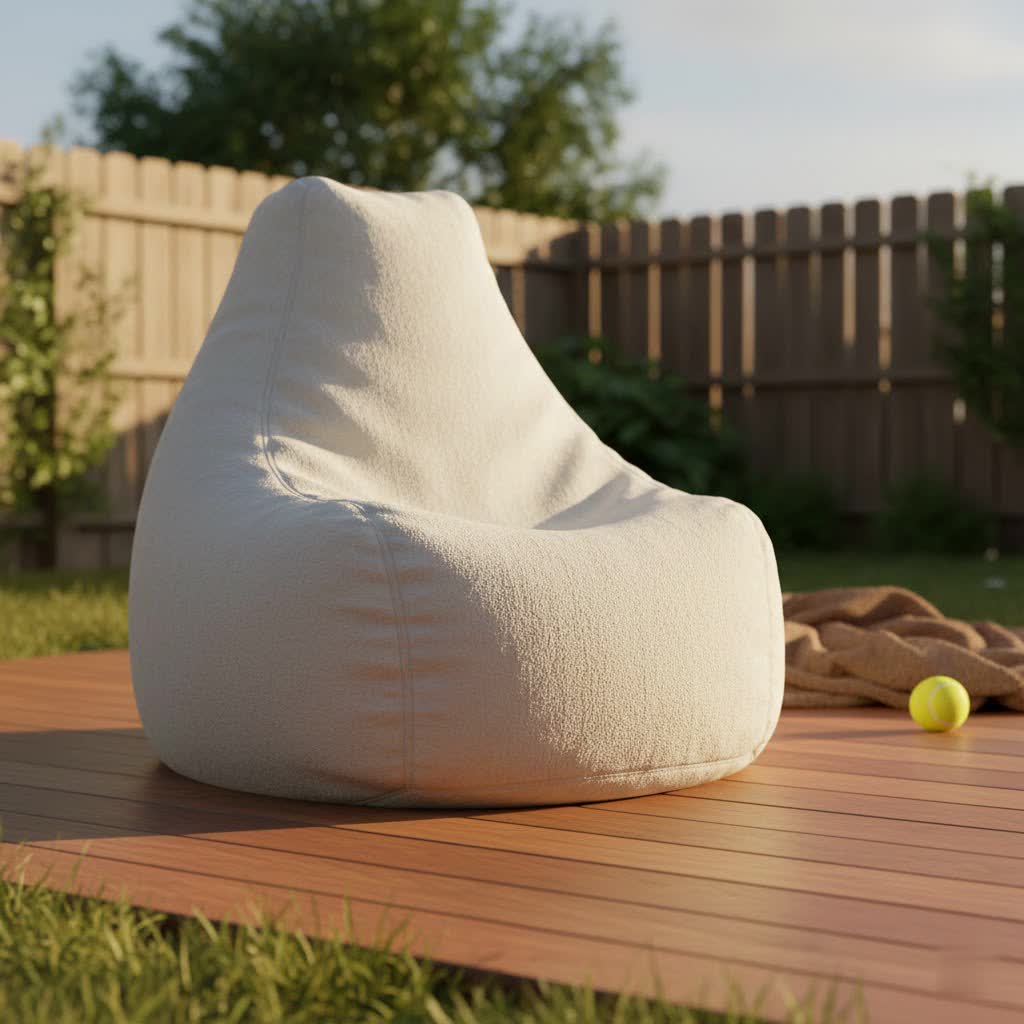
Are you tired of furniture that’s rigid, unyielding, and fails to adapt to your body? Imagine sinking into a cloud of plush comfort that perfectly molds to your shape, offering unparalleled support after a long day. Memory foam bean bags are transforming relaxation, providing a luxurious escape that traditional seating simply can’t match. This comprehensive guide will navigate you through the world of memory foam bean bags, ensuring you find the ideal piece to elevate your comfort and style at home.
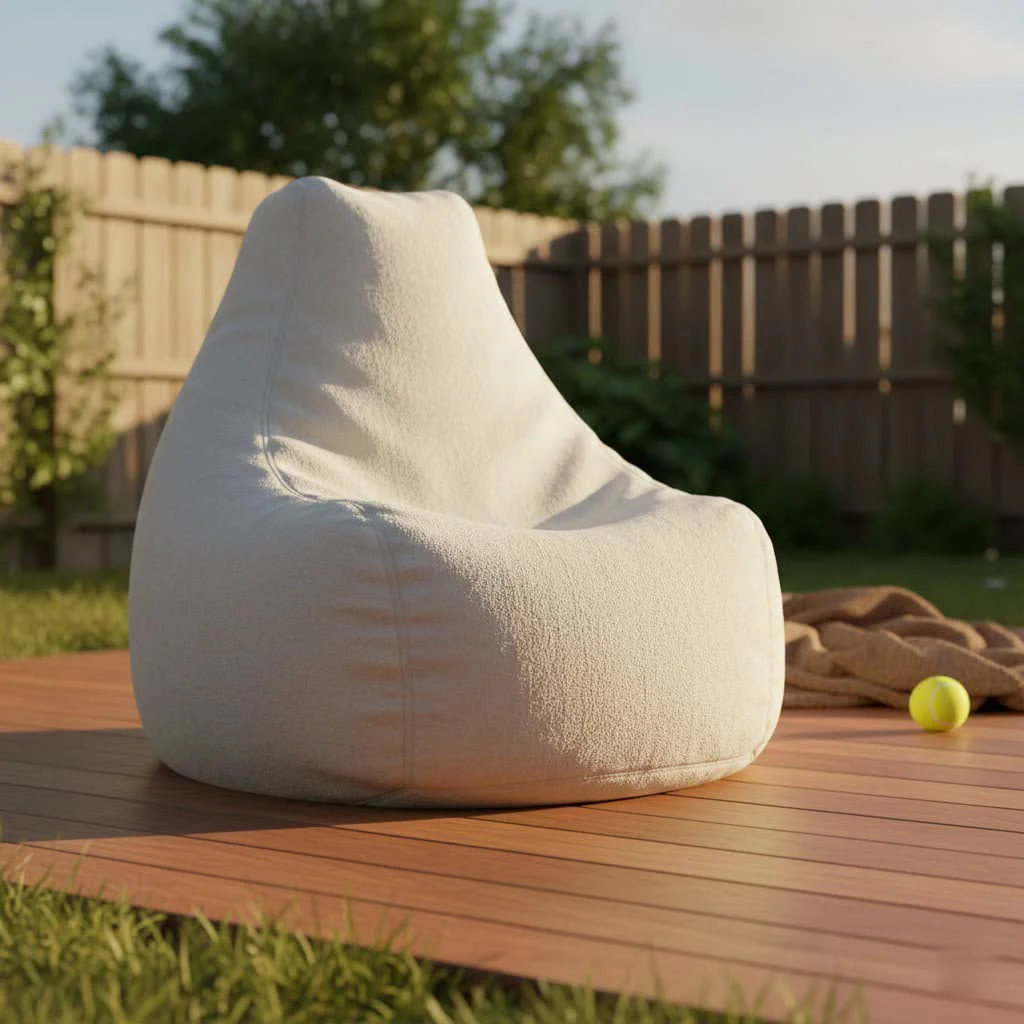
What is a Memory Foam Bean Bag? Why Are They So Popular?
At its core, a memory foam bean bag is a large, flexible seating option filled not with traditional polystyrene beads, but with shredded viscoelastic foam, commonly known as memory foam. Originally developed by NASA for airplane seats, this remarkable material is celebrated for its ability to soften and conform to body heat and pressure, cradling your contours for a customized seating experience.
Their immense popularity stems from several key factors. First and foremost is the exceptional comfort they provide. Unlike rigid chairs or traditional bean bags that can flatten over time, memory foam offers consistent, responsive support, reducing pressure points and easing aches. They are incredibly versatile, easily moved from room to room, transforming any space into a cozy lounge, reading nook, or gaming station. Furthermore, the durable nature of quality memory foam means these bean bags maintain their shape and comfort for years, making them a smart investment for everyday relaxation.
Types of Bean Bags: Highlighting Memory Foam Attributes
While the term “bean bag” might conjure images of simple, shapeless sacks, modern designs, especially those filled with memory foam, come in a surprising array of types, each tailored to different preferences and spaces.
Bean bags are typically categorized by their shape, size, and outer material.
- Shapes: You’ll find memory foam bean bags in classic round and square forms, perfect for flexible lounging. Teardrop or pear-shaped designs offer integrated back support, resembling a more traditional armchair. For those seeking expansive comfort, sofa-style memory foam bean bags provide ample space for stretching out or sharing with others, ideal for movie nights or sprawling out with a good book.
- Sizes: From small sizes perfect for kids’ rooms or compact corners, to medium and large options suitable for individual adult use, all the way up to oversized and extra-large models designed for multiple users or creating a luxurious lounge area, there’s a memory foam bean bag for every need.
- Outer Materials: The cover of a memory foam bean bag plays a crucial role in both aesthetics and tactile comfort. Popular choices include:
- Faux Fur: Offers a plush, luxurious, and incredibly soft feel, adding warmth and sophistication.
- Velvet or Chenille: Provides a rich, soft texture with a slight sheen, exuding elegance.
- Microfiber: Known for its softness, durability, and ease of cleaning, often a practical choice for families.
- Polyester Blends: A versatile option, offering good durability and a variety of textures and patterns.
- Vegan Leather: Delivers a sleek, modern look that’s easy to wipe clean, perfect for contemporary spaces.
The choice of outer material often complements the premium feel of the memory foam filling, enhancing the overall sensory experience.
Memory Foam vs. Traditional Bean Bags: Pros, Cons, and Optimal Choice
When considering a bean bag, the filling is paramount. While traditional bean bags typically use virgin polystyrene (EPS) beads, memory foam offers a distinct set of advantages and a few considerations.
| Feature | Memory Foam Bean Bags | Traditional EPS Bead Bean Bags |
|---|---|---|
| Comfort | Superior body contouring, excellent pressure relief | Conforms initially, but can create pressure points over time |
| Support | Stable, consistent, and ergonomic support | Flexible but can be less structured, less back support |
| Durability | Long-lasting, maintains shape, less compression over time | Beads compress and flatten, requiring refills |
| Noise | Quiet, foam shifts silently | Can be noisy with a “crinkly” sound from shifting beads |
| Weight | Heavier, less portable | Lighter, easier to move |
| Temperature | Can retain some body heat | Better air circulation, cooler seating experience |
| Price | Generally more expensive | More affordable |
| Maintenance | Cover often washable; foam spot cleaned, needs fluffing | Cover washable; beads can be tricky to refill |
| Aesthetics | Often maintains a more structured, luxurious appearance | Can look more casual, prone to flattening |
Memory Foam Bean Bag Advantages:
- Exceptional Comfort & Support: The ability of memory foam to conform to your body’s curves means it evenly distributes weight, reducing pressure on joints and the spine. This offers excellent ergonomic support, making it ideal for prolonged lounging, reading, or even working from home.
- Durability and Longevity: Quality shredded memory foam is highly resilient, springing back to its original loft and shape after use. This means your bean bag will maintain its supportive feel and aesthetic appeal for far longer than those filled with traditional beads, which often compress and degrade.
- Quiet Operation: Unlike the rustling sound of EPS beads, memory foam shifts silently, allowing for a more peaceful and immersive relaxation experience.
- Luxurious Feel: The dense, soft nature of memory foam often provides a more premium and substantial feel, elevating the bean bag from casual seating to a sophisticated comfort piece.
Memory Foam Bean Bag Disadvantages:
- Weight: Due to the density of memory foam, these bean bags are considerably heavier than their bead-filled counterparts, making them less convenient for frequent relocation.
- Heat Retention: Memory foam can sometimes retain body heat, which might be a consideration in warmer climates or for individuals who tend to sleep hot.
- Cost: Memory foam bean bags typically come with a higher price tag than traditional options, reflecting the superior material and comfort they offer.
Optimal Choice: If you prioritize long-term comfort, robust support, durability, and a luxurious, quiet seating experience, and are willing to invest a bit more, a memory foam bean bag is the optimal choice. It’s perfect for main living areas, dedicated reading nooks, or gaming setups where comfort and stability are key. If portability and a lower price point are your primary concerns, a traditional bead-filled bean bag might be more suitable, though you may sacrifice some comfort and longevity.
How to Choose a Quality Memory Foam Bean Bag
Selecting the perfect memory foam bean bag involves considering several critical factors to ensure you get a product that meets your needs for comfort, durability, and style.
- Size and Shape: Evaluate your space and intended use. A large, round bean bag might be perfect for sprawling out in a media room, while a teardrop shape offers better back support for reading in a smaller nook. Measure your room to ensure the bean bag fits comfortably without overwhelming the space.
- Cover Material: Beyond aesthetics, consider the material’s durability, feel, and ease of cleaning. If you have pets or children, a durable, machine-washable fabric like microfiber or a robust polyester blend is practical. For a touch of luxury, faux fur or velvet can be a wonderful choice, though they might require more delicate care.
- Foam Quality: Not all memory foam is created equal. Look for high-density, shredded memory foam that promises resilience and loft. A significant indicator of quality and safety is CertiPUR-US® certification. This ensures the foam is made without harmful chemicals like ozone depleters, heavy metals, formaldehyde, and phthalates, and has low VOC (Volatile Organic Compound) emissions for indoor air quality.
- Construction Quality: Inspect the stitching and zipper. Double-stitched seams provide greater durability, preventing tears and foam leakage. High-quality, robust zippers (often child-proof) are essential for maintaining the integrity of the bag and allowing for easy cover removal.
- Reputation and Warranty: Choose reputable brands known for their quality bean bags. A good warranty (e.g., 3-10 years on the fill or cover) reflects the manufacturer’s confidence in their product and offers peace of mind. Read customer reviews to gauge real-world satisfaction and durability.
Important Tips for Buying:
- Inspect Before You Buy: If purchasing in person, sit in the bean bag, feel the fabric, and check the construction.
- Ask Questions: Don’t hesitate to ask sellers about the foam type, certifications, and cleaning instructions.
- Read Reviews: Online reviews offer invaluable insights into product performance, comfort, and common issues. Pay attention to comments regarding foam expansion and long-term durability.
Top Memory Foam Bean Bags Today
The market for memory foam bean bags is vibrant, with several brands consistently delivering highly-rated products that offer exceptional comfort and style. While specific models may vary, look for characteristics found in popular lines like Chill Sack, Big Joe Fuf, Ultimate Sack, and Sofa Sack. These brands are often lauded for their generous sizing, durable yet soft covers (frequently made from microfiber or faux fur), and high-quality shredded memory foam fillings that provide both plushness and support. Many feature removable, machine-washable covers for easy maintenance and come in a wide array of colors to match any decor. Whether you need a massive lounger for your media room or a cozy chair for a reading nook, these types of memory foam bean bags provide a superior lounging experience.
Care and Maintenance Guide for Your Memory Foam Bean Bag
Proper care ensures your memory foam bean bag remains a comfortable and inviting haven for years.
- Regular Fluffing: Memory foam naturally conforms to your body, so it’s essential to regularly fluff and rotate your bean bag. Pick it up, shake it, and roll it around to redistribute the shredded foam evenly. This helps maintain its shape, loft, and supportive qualities.
- Cleaning the Cover: Most memory foam bean bags come with removable, machine-washable covers. Always check the care label for specific instructions. Generally, machine wash on a gentle cycle with cold water and a mild detergent. Always air dry the cover to prevent shrinking or damage to the fabric.
- Spot Cleaning: For minor spills or stains on the cover, act quickly. Blot the area with a clean, damp cloth and a small amount of mild detergent. Avoid rubbing, which can spread the stain. Rinse by blotting with a clean, damp cloth and let it air dry completely.
- Cleaning the Foam (if necessary): Direct washing of shredded memory foam is not recommended as it can be very difficult to dry thoroughly, leading to mold or mildew. If the foam itself develops an odor or dampness, you can try sprinkling baking soda over the affected area, letting it sit for several hours (or overnight) to absorb moisture and odors, then vacuuming it thoroughly. Ensure the foam is completely dry before re-inserting it into the cover.
- Protection and Storage: Avoid placing your bean bag in direct sunlight for prolonged periods, as this can fade the cover fabric and degrade the foam. Store it in a cool, dry place away from excessive heat or moisture when not in use. Using a protective cover can also shield it from dust and pests.
- Initial Expansion: If your bean bag arrives vacuum-sealed, allow 24-48 hours (or sometimes longer) for the shredded memory foam to fully expand and reach its intended size and comfort level. You may need to break up clumps of foam gently during this process.
- Adhere to Weight Limits: Always respect the manufacturer’s recommended weight limit to prevent undue stress on seams and the filling, prolonging the life of your bean bag.
Where to Buy Memory Foam Bean Bags: Price Comparison and Deals
Finding the perfect memory foam bean bag means knowing where to look and how to snag the best value.
- Online Retailers: Large online marketplaces like Amazon, Wayfair, and Target (as evidenced by product listings) offer a vast selection of memory foam bean bags from various brands, often with competitive pricing and frequent sales. Specialty online stores dedicated to comfort furniture are also great sources.
- Furniture Stores: Many local and national furniture retailers carry a range of bean bags, including memory foam options. This allows you to test them out in person before purchasing.
- Direct from Manufacturer: Some premium bean bag brands sell directly from their websites, often providing exclusive deals, detailed product information, and robust customer support.
Tips for Finding Deals and Comparing Prices:
- Seasonal Sales: Keep an eye out for sales events around holidays, Black Friday, or end-of-season clearances.
- Sign Up for Newsletters: Retailers often offer discounts for new subscribers.
- Compare Across Platforms: Check prices for the same model on different websites to ensure you’re getting the best deal.
- Look for Bundles: Sometimes retailers offer discounts when you purchase a bean bag with an ottoman or extra cover.
- Consider Certified Refurbished: Some brands may offer gently used or “open box” items at a reduced price, but ensure they come with a warranty.
Conclusion: Choosing the Perfect Memory Foam Bean Bag for Convenient Living
Memory foam bean bags offer a compelling blend of superior comfort, ergonomic support, and long-lasting durability, making them a fantastic alternative to traditional seating. Their ability to conform to your body, quiet performance, and luxurious feel create an unrivaled relaxation experience. While they might be a heavier and more significant investment than their conventional counterparts, the benefits of personalized comfort and sustained quality truly set them apart.
By carefully considering factors like size, cover material, and critically, the quality and certification of the memory foam, you can choose a bean bag that not only complements your home’s aesthetic but also becomes your go-to spot for unwinding. Embrace the plush embrace of memory foam and transform your everyday comfort.
What are your favorite ways to relax in your memory foam bean bag, or what questions do you still have about finding the perfect one?
Frequently Asked Questions
How long does a memory foam bean bag take to fully expand?
|
Our Picks for the Best Bean Bag in 2026
As an Amazon Associate I earn from qualifying purchases.
|
||
| Num | Product | Action |
|---|---|---|
| 1 | Big Bean Bag Chair for Adults, Ultra Soft Living Room Bean Bag with Armrests, Stuffed BeanBag Chair for Napping, Gaming, Vacuum-Compressed for Easy Gifting, 48 Hours to Fluffs Up, Dark Gray |

|
| 2 | 3 in 1 Big Bean Bag Chair for Adults, Large Giant BeanBag Chairs, Convertible Soft Floor Chair Cushions, Sofa & Bed, Perfect for Bedroom, Living Room, Game Room (Dark Grey) |
|
| 3 | MAXYOYO Giant Bean Bag Chair for Adults, Upholstered Loveseat Floor Sofa with Pillows and Armrests, Large Bean Bag Sofa Plush Chair Bean Bag Couch for Bedroom Living Room, Grey |
|
| 4 | Bean Bag Chair for Adults, 3FT High-Rebound Memory Foam Bean Bag Sofa with Removable Cover, Oversized Bean Bag Couch for Gaming, Reading and Relaxation, Black |
|
| 5 | MAXYOYO Kids Bean Bag Chair, Stuffed Toddler Bean Bag Sofa with Filler Bean Bag Chair for Boys and Girls, Lazy Sofa with Pocket Floor Chair for Gaming, Reading, Beige |
|
| 6 | 3 Feet Bean Bag Chair - BeanBag Chairs for Adults, Living Room Furniture Sofa with Soft Micro Fiber Cover, Round Fluffy Couch for Bedroom College Dorm - Grey |
|
| 7 | MAXYOYO Giant Bean Bag Chair, Oversized Bean Bag Couch for Adults and Kids, Faux Fur Shell-Shaped Large Chair with Filler, Stuffed Big Accent Sofa Lounge Floor Sofa for Gaming, Reading, Beige |
|
| 8 | 3-in-1 Giant Bean Bag Chair for Adults & Kids, Convertible Floor Sofa to Mattress, Memory Foam Beanbag Chair with Washable Cover, Multi Functional Lounge Couch for Bedroom, Living Room (Dark Grey) |
|
| 9 | MAXYOYO 3 in 1 Kids Bean Bag Chair Bed, Convertible Chair Folds from Bean Bag to Lounger, Child Floor Sofa for Gaming, Reading, Floor Mattress with High-Density Foam Filling |
|
| 10 | Plush Faux Fur Bean Bag Chairs, Memory Foam Filled Sofa Chair Shape Bean Bag for Adults/Teens/Kids, Ultra-Soft Lazy Sofa for Living Room Bedroom College Dorm, Grey |
|
Memory foam bean bags, especially those shipped vacuum-sealed, typically require 24 to 48 hours to fully expand and fluff up to their intended size and comfort level. Gently breaking up any clumps of foam during this period can help accelerate the process.
Can I refill a memory foam bean bag?
Yes, memory foam bean bags are often designed to be refillable. Over time, even high-quality foam can compress slightly. You can purchase shredded memory foam refills from manufacturers or specialty suppliers to restore your bean bag’s loft and firmness.
Are memory foam bean bags good for back pain?
Many users find memory foam bean bags beneficial for back pain. The foam’s ability to contour to your body provides even weight distribution and reduces pressure points, offering ergonomic support to the spine and promoting better posture compared to unstructured seating.
What is the best cover material for a memory foam bean bag?
The “best” cover material depends on your priorities. For softness and luxury, faux fur or velvet are excellent. For durability and easy cleaning, microfiber or a sturdy polyester blend is ideal, especially in homes with kids or pets.
How do I prevent my memory foam bean bag from getting too hot?
While memory foam can retain some heat, many modern bean bags mitigate this with breathable cover fabrics. To keep cool, choose covers made from natural, breathable materials or lighter polyester blends, and ensure your room has good air circulation.
Is CertiPUR-US® certification important for memory foam bean bags?
Absolutely. CertiPUR-US® certification is a strong indicator of foam quality and safety. It guarantees that the memory foam is made without harmful chemicals and has low VOC emissions, ensuring a healthier indoor environment and peace of mind for you and your family.
Get our weekly buyer guide
Practical specs, not advice. Unsubscribe anytime.
