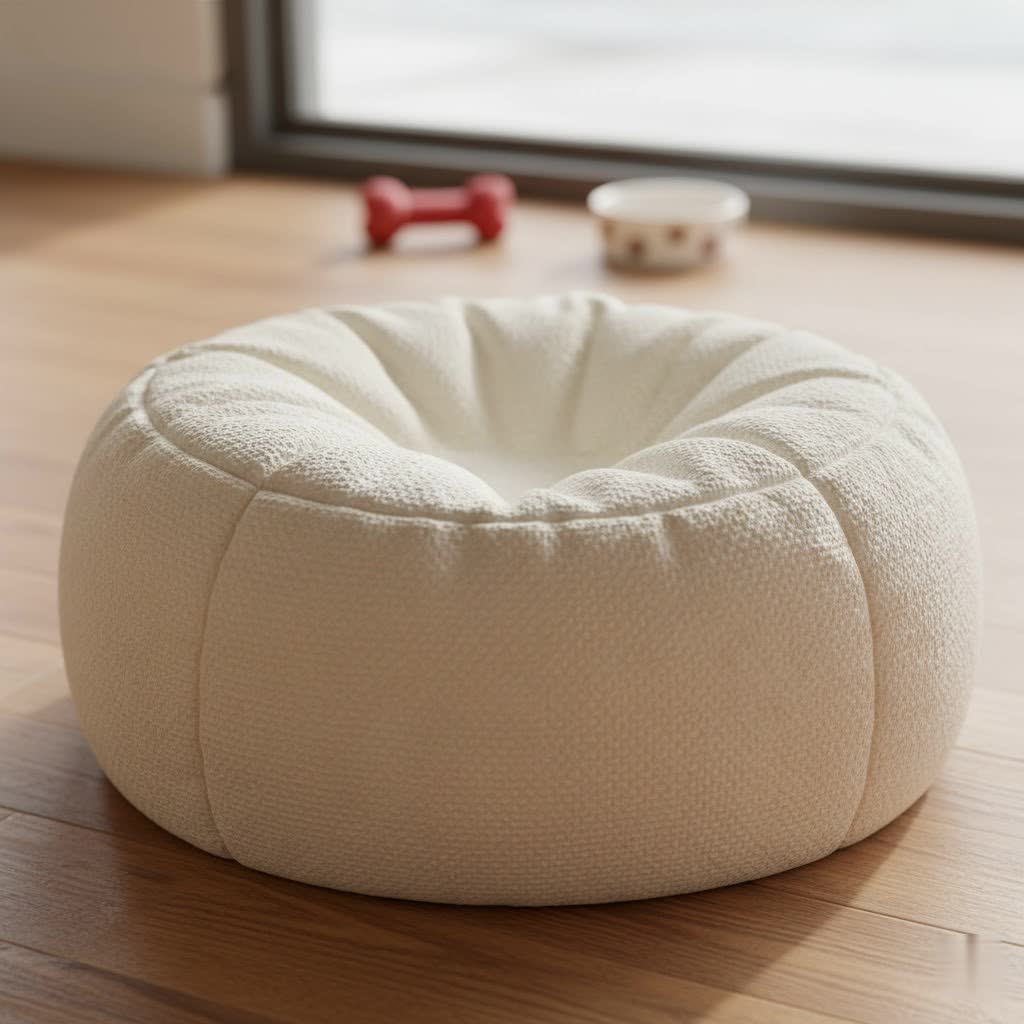
Have you ever wondered what makes certain pieces of furniture truly stand out, not just for their aesthetic appeal but for their enduring comfort and resilience? For many, the answer lies in the sophisticated charm of a leather bean bag. Far from being a relic of dorm rooms, modern leather bean bags have transformed into luxurious, versatile seating options that elevate any space.
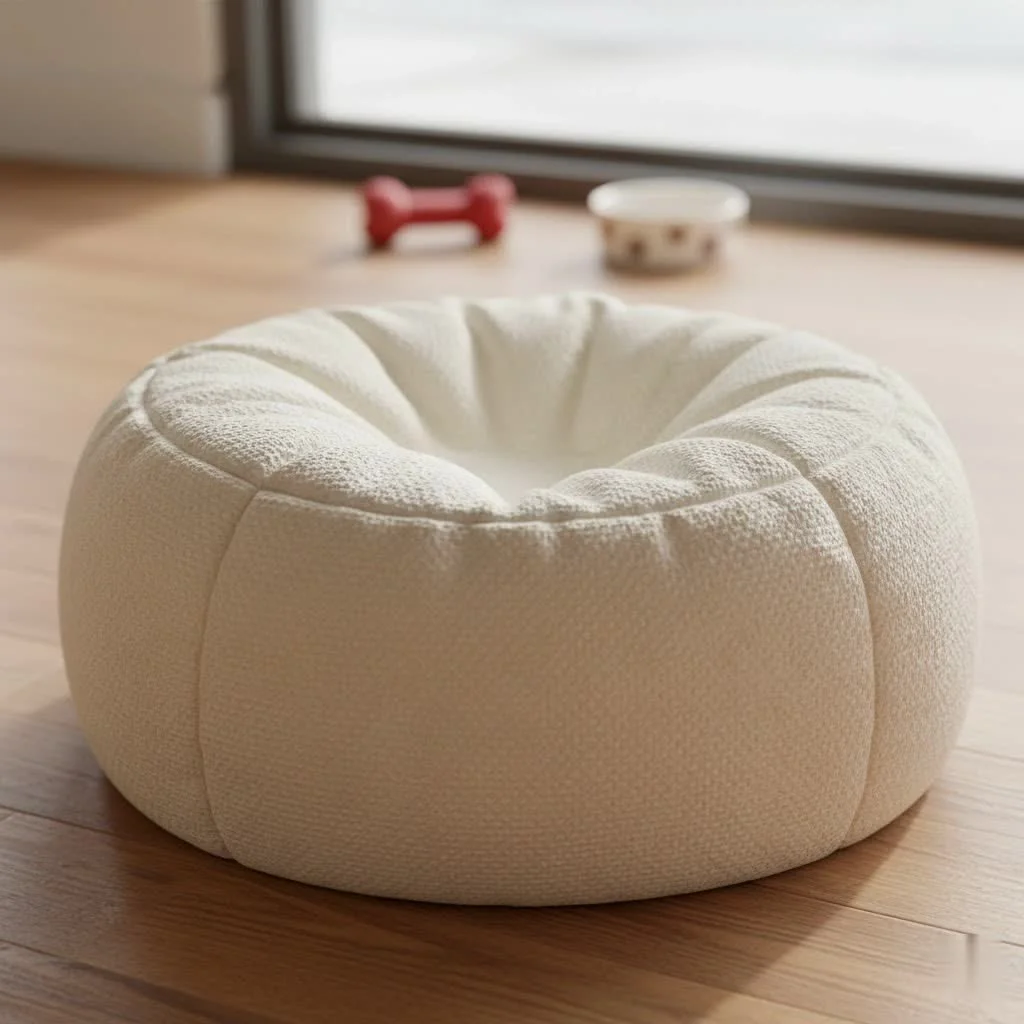
As a technician with over a decade of experience specializing in bean bags, I’ve seen countless designs and materials. From the simplest fabric sacks to high-end, technologically integrated models, each offers a unique experience. However, leather bean bags consistently impress with their blend of timeless elegance and practical durability. This guide will delve into everything you need to know to choose, care for, and enjoy the perfect leather bean bag, ensuring it becomes a cherished part of your home for years to come. For shop curated bean bag on this site.
What is a Leather Bean Bag? Why Are They So Popular?
A leather bean bag is a flexible, form-fitting piece of furniture characterized by its soft, pebbled or smooth leather exterior and its granular filling, typically made of polystyrene beads or shredded foam. Unlike traditional rigid furniture, a bean bag molds to your body, offering personalized comfort and support. When crafted with leather, this comfort is paired with an unmatched sense of luxury and durability that fabric alternatives often can’t provide.
The popularity of leather bean bags stems from several key factors. First, their inherent comfort allows you to sink in and relax, making them ideal for unwinding after a long day or for casual lounging. Second, their versatile design means they can complement various interior styles, from modern minimalist to classic sophistication. Leather bean bags are often celebrated for their robustness and ease of maintenance, capable of resisting wear and tear, and quick cleanup of spills, which makes them a practical choice for busy households. Their ability to seamlessly blend into diverse settings, whether a cozy reading nook or a chic living room, underscores their broad appeal.
Types of Leather Bean Bags on the Market
The world of leather bean bags is diverse, primarily categorized by the type of leather used and their shape and size. Understanding these distinctions is crucial for selecting the right bean bag for your needs.
Types of Leather Used in Bean Bags
The material directly impacts the feel, durability, and maintenance of your bean bag.
- Full-Grain Leather: This is the highest quality leather, retaining the natural grain of the hide. It is exceptionally durable and develops a beautiful patina over time, adding character. Full-grain leather is the most expensive option but offers unmatched longevity. It requires regular conditioning to prevent dryness and cracking.
- Top-Grain Leather: Derived from the layer just below full-grain, top-grain leather has had imperfections removed, resulting in a smoother finish. It’s slightly less durable than full-grain but still high-quality, offering a good balance of durability and affordability, making it a popular choice for bean bags.
- Split-Grain Leather: This comes from the lower layers of the hide and is less durable than full-grain or top-grain leather. It is often more cost-effective and suitable for bean bags requiring a larger quantity of leather.
- Faux Leather (PU Leather): Made from synthetic materials like polyurethane or PVC, faux leather mimics the look and feel of genuine leather. It’s an affordable and animal-friendly alternative that is generally easier to maintain and more resistant to stains. However, it may not last as long as genuine leather and can crack or peel if not properly cared for.
- Bonded Leather: A composite material made from leftover leather scraps bonded together with polyurethane. It offers a leather-like appearance at a budget-friendly price but is prone to peeling and cracking over time and is less durable than genuine leather.
- Suede Leather: Known for its velvety texture and soft feel, suede offers an elegant look. However, it requires more maintenance and is more susceptible to stains than other leather types.
Common Shapes and Sizes
|
Our Picks for the Best Bean Bag in 2026
As an Amazon Associate I earn from qualifying purchases.
|
||
| Num | Product | Action |
|---|---|---|
| 1 | MAXYOYO Giant Bean Bag Chair, Oversized Bean Bag Couch for Adults and Kids, Faux Fur Shell-Shaped Large Chair with Filler, Stuffed Big Accent Sofa Lounge Floor Sofa for Gaming, Reading, Beige |

|
| 2 | 3-in-1 Giant Bean Bag Chair for Adults & Kids, Convertible Floor Sofa to Mattress, Memory Foam Beanbag Chair with Washable Cover, Multi Functional Lounge Couch for Bedroom, Living Room (Dark Grey) |
|
| 3 | Big Bean Bag Chair for Adults, Ultra Soft Living Room Bean Bag with Armrests, Stuffed BeanBag Chair for Napping, Gaming, Vacuum-Compressed for Easy Gifting, 48 Hours to Fluffs Up, Dark Gray |
|
| 4 | Plush Faux Fur Bean Bag Chairs, Memory Foam Filled Sofa Chair Shape Bean Bag for Adults/Teens/Kids, Ultra-Soft Lazy Sofa for Living Room Bedroom College Dorm, Grey |
|
| 5 | MAXYOYO Giant Bean Bag Chair for Adults, Upholstered Loveseat Floor Sofa with Pillows and Armrests, Large Bean Bag Sofa Plush Chair Bean Bag Couch for Bedroom Living Room, Grey |
|
| 6 | Bean Bag Chair for Adults, 3FT High-Rebound Memory Foam Bean Bag Sofa with Removable Cover, Oversized Bean Bag Couch for Gaming, Reading and Relaxation, Black |
|
| 7 | MAXYOYO Kids Bean Bag Chair, Stuffed Toddler Bean Bag Sofa with Filler Bean Bag Chair for Boys and Girls, Lazy Sofa with Pocket Floor Chair for Gaming, Reading, Beige |
|
| 8 | MAXYOYO 3 in 1 Kids Bean Bag Chair Bed, Convertible Chair Folds from Bean Bag to Lounger, Child Floor Sofa for Gaming, Reading, Floor Mattress with High-Density Foam Filling |
|
| 9 | 3 in 1 Big Bean Bag Chair for Adults, Large Giant BeanBag Chairs, Convertible Soft Floor Chair Cushions, Sofa & Bed, Perfect for Bedroom, Living Room, Game Room (Dark Grey) |
|
| 10 | 3 Feet Bean Bag Chair - BeanBag Chairs for Adults, Living Room Furniture Sofa with Soft Micro Fiber Cover, Round Fluffy Couch for Bedroom College Dorm - Grey |
|
Bean bags come in an array of shapes and sizes to fit various preferences and spaces.
- Classic Round Bean Bags: The traditional, most recognized shape, ideal for casual lounging and adaptable to different seating positions.
- Lounge Chair Style: Designed with a more defined backrest, resembling a recliner, these offer better back support and are perfect for reading or watching TV.
- Gaming Bean Bags: Ergonomically designed for extended periods of sitting, often featuring armrests and high backs for optimal support during gaming sessions.
- Ottoman Style Bean Bags: Smaller and often round or square, these serve as versatile footrests or additional seating, complementing other furniture.
- Pear or Teardrop Shapes: Provide good back support and are easy to move, often featuring a handle.
- Sack Shaped Bean Bags: Deep and enveloping, designed for sinking in, ideal for napping or watching TV.
- Oversized/Sofa Bean Bags: Large enough to accommodate multiple people, acting as a comfortable, unconventional sofa.
- Kids’ Bean Bags: Smaller in size and available in fun colors and playful shapes, perfect for children’s rooms.
Comparing Leather Bean Bags: Pros, Cons, and Optimal Choices
When choosing a leather bean bag, a comparison of the different types of leather is essential to match your expectations for durability, comfort, maintenance, and aesthetics with your budget.
| Feature | Full-Grain Leather Bean Bag | Top-Grain Leather Bean Bag | Faux Leather Bean Bag |
|---|---|---|---|
| Durability | Highest, resists wear and tear, longest lifespan | High, resists wear, good longevity | Moderate, can crack/peel over time, less durable than genuine leather |
| Comfort | Molds to body, becomes softer, develops unique feel over time | Molds to body, soft and comfortable | Can feel cooler initially, less breathable |
| Maintenance | Requires regular conditioning, wipe clean, specific care | Wipe clean, occasional conditioning | Easiest to clean, wipe with damp cloth, low maintenance |
| Price | Most expensive | Mid-range, good balance of cost and quality | Most affordable |
| Aesthetics | Natural grain, rich patina, luxurious, sophisticated | Smooth, refined look, elegant | Mimics real leather, versatile in style, modern |
| Pet-Friendly | More resistant to scratches than fabric, but can scratch | More resistant to scratches than fabric, but can scratch | Highly resistant to spills and stains, generally good for pets |
Optimal Choices:
- For Unmatched Luxury and Longevity: A full-grain leather bean bag is an investment that will age beautifully and last for decades.
- For Balanced Quality and Value: Top-grain leather offers significant durability and aesthetic appeal without the highest price tag, making it a popular choice for many.
- For Affordability and Easy Care: Faux leather bean bags are excellent for families with children or pets, or for those seeking a stylish look on a tighter budget, as they are often easier to clean and resistant to spills.
- For a Softer, Velvety Feel: Suede leather is visually appealing but demands more delicate care.
“Leather bean bags offer a unique blend of elegance and resilience. While genuine leather provides unmatched durability and character, faux leather options deliver a practical, stylish alternative for various lifestyles.”
Guide to Choosing a Quality Leather Bean Bag
Selecting the right leather bean bag involves more than just picking a color. It requires considering several factors to ensure it meets your needs for comfort, style, and longevity.
Key Factors to Consider
- Size and Shape: Evaluate the available space in your room and consider how many people will use the bean bag. A smaller, pear-shaped bean bag might be ideal for a single person in a cozy corner, while an oversized lounger or sofa-style bean bag suits a family living room. Ensure the dimensions fit comfortably without overpowering the room.
- Material Quality: Beyond choosing between genuine and faux leather, understand the specific leather grade. Full-grain and top-grain offer superior durability and feel. For faux leather, look for high-quality polyurethane (PU) that provides a realistic texture and is free from harmful chemicals. Consider if the leather has been treated for stain resistance, which simplifies maintenance.
- Filling Type: The filling significantly impacts comfort and support.
- Polystyrene Beads: Lightweight and moldable, these conform to your body shape. Look for high-quality beads that resist flattening over time.
- Shredded Foam (Memory Foam): Offers a more structured, yet still conforming, comfort. It tends to maintain its shape better than traditional beads.
- Many quality bean bags include an inner liner, allowing you to easily add more filling as needed to maintain plumpness.
- Stitching and Zippers: Inspect the construction. Strong, double-stitched seams are crucial for durability, preventing tears and bead leakage. High-quality zippers are essential for easy refilling and maintenance.
- Additional Features: Some bean bags come with built-in headrests, armrests, or backrests, which can significantly enhance comfort and stability, especially for prolonged sitting or gaming. Removable covers are a practical feature, allowing for easier cleaning or even changing the look of your bean bag.
- Reputable Supplier and Warranty: Purchase from established brands known for quality and customer support. A good warranty and clear return policy provide peace of mind, especially when buying online.
Important Notes Before Buying
- Inspect the Product: If possible, physically inspect the bean bag for quality of material, stitching, and overall finish.
- Seek Expert Advice: Don’t hesitate to ask sellers for detailed information on leather grades, filling, and maintenance requirements.
- Read Customer Reviews: Reviews offer valuable insights into real-world comfort, durability, and any potential issues with a particular model or brand.
Popular Leather Bean Bag Styles Today
While specific product models fluctuate in popularity, certain styles and features consistently make leather bean bags highly sought after. These trends reflect a desire for both luxurious comfort and practical functionality in modern living spaces.
- Oversized Lounge Bean Bags: These large, sprawling bean bags offer ample space for one or more people to recline fully. Often designed like modular sofas, they provide cloud-like comfort and become a focal point in spacious living rooms, media rooms, or basements. Their generous dimensions make them ideal for movie nights or casual gatherings.
- Structured Leather Bean Bag Chairs: Moving beyond the traditional “sack” shape, many popular leather bean bags are designed with more structure, mimicking conventional armchairs or recliners. These often feature high backs and sometimes even armrests, providing enhanced ergonomic support that appeals to adults looking for sophisticated yet relaxed seating.
- Gaming-Optimized Leather Bean Bags: With the rise of gaming culture, specialized leather bean bags have gained traction. These are often designed with ergonomic contours to support long hours of play, featuring robust construction and easy-to-clean surfaces ideal for a gaming setup.
- Versatile Ottoman and Pouf Styles: Smaller leather bean bags designed as ottomans or poufs are popular for their versatility. They serve as footrests, extra seating, or even small side tables, adding a touch of elegance and convenience to any room.
- Distressed Leather Styles: For those who appreciate a blend of classic and contemporary, distressed leather bean bags are popular. Their rugged charm and unique texture add character to a space, evolving beautifully with use.
Brands like Ultimate Sack and Lovesac are examples of manufacturers often praised for their durable, comfortable, and stylish foam-filled bean bags that come in a variety of cover materials, including options that emulate leather. While specific models vary, the emphasis remains on quality construction, superior filling, and appealing aesthetics.
How to Properly Use and Maintain Your Leather Bean Bag
Proper usage and consistent maintenance are crucial for preserving the luxurious feel and extending the lifespan of your leather bean bag. Leather is a durable material, but like any fine furniture, it requires attentive care.
Best Practices for Use
- Even Weight Distribution: To maintain its shape and prevent premature compression of the filling, try to vary your sitting position and regularly fluff your bean bag. This helps redistribute the internal beads or foam evenly.
- Avoid Over-Straining: While durable, avoid standing or jumping on your bean bag, as this can put undue stress on the seams and potentially damage the leather.
Essential Cleaning and Maintenance Steps
Leather bean bags are renowned for being relatively easy to clean, resisting spills and stains more effectively than many fabric counterparts.
- Regular Cleaning:
- Dusting: Use a soft, lint-free cloth to dust your leather bean bag weekly to prevent dirt buildup.
- Vacuuming: Periodically use a vacuum cleaner with an upholstery attachment to remove dust and debris from the surface and seams.
- Spot Cleaning Spills:
- Immediately blot any spills with a clean, dry cloth to absorb as much liquid as possible.
- For tougher spots, wipe the surface with a damp cloth lightly moistened with a mild soap solution (like mild facial soap or dish soap). Work in circular motions, then wipe with a clean, damp cloth to remove soap residue.
- Avoid: Harsh chemicals, abrasive cleaners, or excessive water, as these can strip natural oils, cause discoloration, or warp the leather.
- Conditioning:
- Leather can lose moisture over time, leading to dryness and cracking. Apply a high-quality leather conditioner every 6 to 12 months, or more frequently if the bean bag is in a dry environment or exposed to sunlight. This keeps the leather supple and prevents it from drying out.
- Protection from Elements:
- Sunlight: Keep your leather bean bag away from direct sunlight for prolonged periods, as UV exposure can cause fading and drying, leading to cracks.
- Moisture: Avoid placing it in humid environments or near damp areas. Excessive moisture can cause leather to warp or mildew. If humidity is an issue, consider using a dehumidifier.
- Sharp Objects: Protect the leather from sharp objects, pet claws, or abrasive surfaces to prevent scratches and tears.
- Filling Maintenance:
- Over time, the filling may compress, causing the bean bag to flatten. Periodically fluff the bean bag vigorously to redistribute the filling.
- If the bean bag significantly loses its volume and comfort, you may need to add new polystyrene beads or shredded foam. Ensure your bean bag has a sturdy, accessible zipper for refilling. Avoid overfilling, as this can reduce comfort and strain the seams.
- Seams and Zippers: Regularly inspect seams and zippers for any signs of wear or damage. Promptly repair any loose stitching or broken zippers to maintain the bean bag’s integrity and prevent filling leakage.
By following these care instructions, your leather bean bag will remain a comfortable, stylish, and long-lasting addition to your home.
Where to Buy Leather Bean Bags: Comparing Prices and Offers
Finding the perfect leather bean bag involves knowing where to look and how to evaluate value. Whether you prefer the convenience of online shopping or the tactile experience of a physical store, there are options to suit every buyer.
Online Retailers
Online platforms offer an extensive selection of leather bean bags, allowing you to browse various styles, sizes, and leather types from the comfort of your home.
- Advantages:
- Wide Selection: Access to numerous brands and designs not typically found in local stores.
- Detailed Information: Product descriptions, specifications, and customer reviews help make informed decisions.
- Competitive Pricing: Online stores often have sales and discounts, potentially offering better value.
- Convenience: Shop anytime, anywhere, with direct delivery to your door.
- Tips for Online Shopping:
- Read Reviews: Pay close attention to feedback on comfort, durability, material quality, and customer service.
- Check Policies: Understand return and warranty policies before purchasing.
- Compare Prices: Use comparison tools to find the best deals across different retailers.
Local Furniture Stores and Boutiques
While selection might be more limited, physical stores offer unique advantages for buying a leather bean bag.
- Advantages:
- See and Feel: You can physically touch the leather, assess its quality, and test the comfort and support firsthand.
- Immediate Purchase: No waiting for shipping, you can often take your bean bag home the same day.
- Personalized Service: Sales associates can provide expert advice and answer questions on the spot.
- Tips for In-Store Shopping:
- Test Comfort: Sit in the bean bag for a few minutes to gauge its comfort and how well it supports your body.
- Examine Quality: Inspect stitching, zippers, and the overall finish.
Tips for Finding the Best Deals
- Seasonal Sales: Look out for major sales events like Black Friday, Cyber Monday, or end-of-season clearances.
- Sign Up for Newsletters: Many retailers offer exclusive discounts to their newsletter subscribers.
- Bundle Deals: Some brands offer discounts when you purchase a bean bag with coordinating accessories like ottomans or extra filling.
By considering your purchasing preferences and doing a bit of research, you can find a high-quality leather bean bag that fits your budget and enhances your living space.
Conclusion: Choosing the Perfect Leather Bean Bag for a Comfortable Life
Leather bean bags stand as a testament to the evolution of casual seating, offering a sophisticated blend of comfort, style, and impressive durability. They provide a versatile solution for enhancing any room, transforming it into a luxurious retreat for relaxation or a dynamic space for socializing.
To ensure you select the perfect piece, remember to thoughtfully consider its size and shape in relation to your space, delve into the various leather grades—from the unmatched longevity of full-grain to the practical appeal of faux leather—and evaluate the quality of the filling and construction. Prioritizing features like sturdy zippers and additional ergonomic supports will maximize your comfort and the bean bag’s lifespan. Furthermore, regular cleaning with mild solutions and consistent conditioning will maintain its aesthetic appeal, protecting your investment for years.
Investing in a leather bean bag is more than just buying furniture; it’s about embracing a lifestyle of effortless comfort and enduring elegance. What experiences have you had with leather bean bags, and what unique ways do you incorporate them into your home decor?
Frequently Asked Questions
Are leather bean bags good for back support?
Yes, high-quality leather bean bags, especially those filled with memory foam or featuring structured designs like lounge chairs, can offer excellent back support. They contour to your body’s natural curves, distributing weight evenly and relieving pressure points, which can promote better posture and alleviate back pain.
Can leather bean bags be used outdoors?
Genuine leather bean bags are generally best kept indoors to protect them from direct sunlight and moisture, which can cause fading, drying, and cracking. While some faux leather options are treated to be water-resistant and fade-resistant for outdoor use, it is crucial to check the manufacturer’s specifications carefully and protect them from harsh weather conditions.
How often should I refill my leather bean bag?
The frequency of refilling depends on the quality of the filling and how often the bean bag is used. Polystyrene beads can compress over time, requiring refilling every 6 to 12 months for frequent use. Foam-filled bean bags tend to maintain their volume longer. Regular fluffing can also extend the time between refills.
Are leather bean bags pet-friendly?
Leather bean bags can be a good option for pet owners due to their easy-to-clean surface; pet hair doesn’t cling to them as readily as it does to fabric. However, genuine leather can be susceptible to scratches from pet claws. Faux leather might be a more durable choice against scratching and is often more resistant to spills and stains, making it an excellent pet-friendly alternative.
Get our weekly buyer guide
Practical specs, not advice. Unsubscribe anytime.
