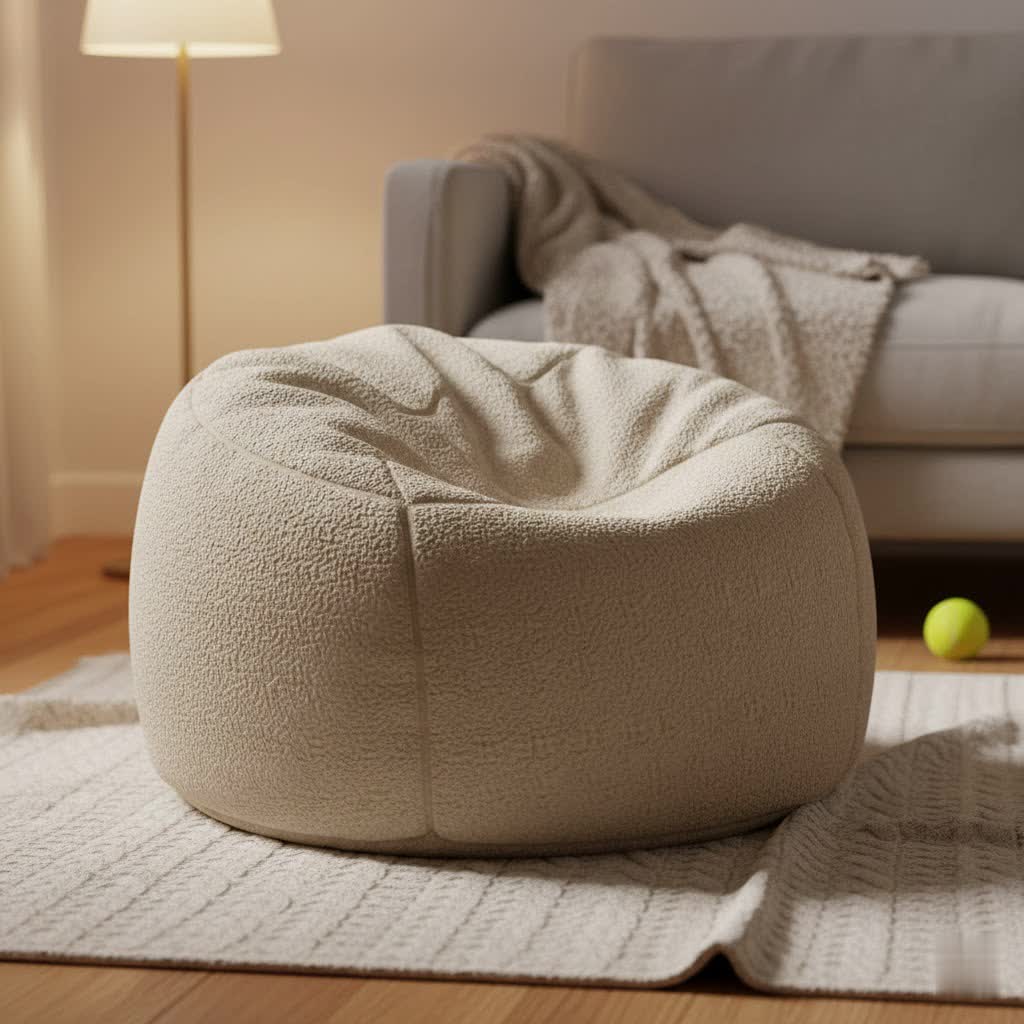
There’s nothing quite like sinking into the plush embrace of a bean bag chair after a long day. It’s a versatile piece of furniture, loved by everyone from kids to adults, bringing a relaxed vibe to any space. But what truly makes a bean bag a haven of comfort isn’t just its stylish cover; it’s the magical “beans” inside. Often, these aren’t actual beans at all, but a variety of specialized materials designed for different levels of support, softness, and durability. Understanding these fillings is key to finding the perfect bean bag experience tailored just for you.
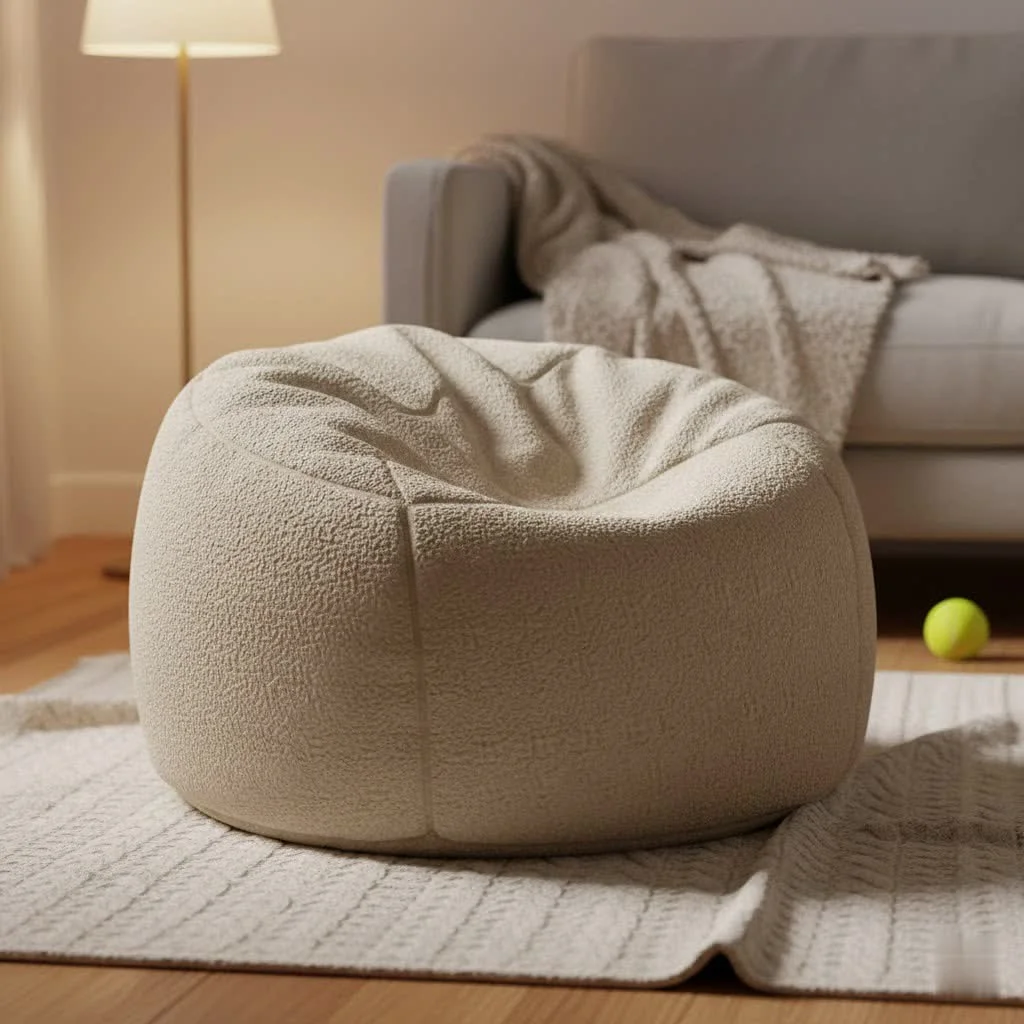
What is Bean Bag Filling? Understanding the Core of Comfort
At its heart, bean bag filling is the material that gives these unique chairs their shape, flexibility, and signature comfort. While the term “bean bag” suggests natural legumes, modern fillings have evolved significantly since the original Italian design in the late 1960s. The goal remains the same: a malleable, supportive material that conforms to your body, offering a personalized seating experience. The popularity of bean bags stems from this unique adaptability, their lightweight nature, and often, their affordability. From cozy living room seating to ergonomic office solutions and playful kids’ furniture, the right filling makes all the difference. For shop curated bean bag on this site.
Exploring the Popular Types of Bean Bag Filling
The world of bean bag fillers is more diverse than you might imagine, with each material offering a distinct feel and set of characteristics.
Expanded Polystyrene (EPS) Beads
EPS beads are perhaps the most classic and widely recognized bean bag filling. These lightweight, rigid, closed-cell foam beads resemble small, white styrofoam balls.
- Pros: They are highly affordable, making bean bags accessible to many. Their lightweight nature makes chairs easy to move, and they offer a classic, conforming feel. EPS beads are also resistant to moisture and heat. For the best quality, look for “virgin” EPS beads, which offer better longevity and less compression than recycled alternatives.
- Cons: Over time, EPS beads can compress and flatten, requiring refills to maintain optimal comfort. They are not biodegradable and contribute to plastic waste, making them less eco-friendly. They can also produce a slight rustling sound.
Expanded Polypropylene (EPP) Foam
EPP foam beads are a more resilient cousin to EPS. Made from thermoplastic polymer, EPP offers superior performance in certain aspects.
- Pros: Known for excellent energy absorption and impact resistance, EPP foam withstands compression better than EPS, returning to its original form more quickly. This means a longer lifespan for your bean bag and less frequent refilling.
- Cons: EPP beads tend to be heavier than EPS, which can make larger bean bags less portable. While more durable, they generally come at a higher cost.
Shredded Memory Foam / Compressed Foam
|
Our Picks for the Best Bean Bag in 2026
As an Amazon Associate I earn from qualifying purchases.
|
||
| Num | Product | Action |
|---|---|---|
| 1 | Bean Bag Chair for Adults, 3FT High-Rebound Memory Foam Bean Bag Sofa with Removable Cover, Oversized Bean Bag Couch for Gaming, Reading and Relaxation, Black |

|
| 2 | Big Bean Bag Chair for Adults, Ultra Soft Living Room Bean Bag with Armrests, Stuffed BeanBag Chair for Napping, Gaming, Vacuum-Compressed for Easy Gifting, 48 Hours to Fluffs Up, Dark Gray |
|
| 3 | MAXYOYO Giant Bean Bag Chair for Adults, Upholstered Loveseat Floor Sofa with Pillows and Armrests, Large Bean Bag Sofa Plush Chair Bean Bag Couch for Bedroom Living Room, Grey |
|
| 4 | 3 Feet Bean Bag Chair - BeanBag Chairs for Adults, Living Room Furniture Sofa with Soft Micro Fiber Cover, Round Fluffy Couch for Bedroom College Dorm - Grey |
|
| 5 | MAXYOYO Kids Bean Bag Chair, Stuffed Toddler Bean Bag Sofa with Filler Bean Bag Chair for Boys and Girls, Lazy Sofa with Pocket Floor Chair for Gaming, Reading, Beige |
|
| 6 | MAXYOYO Giant Bean Bag Chair, Oversized Bean Bag Couch for Adults and Kids, Faux Fur Shell-Shaped Large Chair with Filler, Stuffed Big Accent Sofa Lounge Floor Sofa for Gaming, Reading, Beige |
|
| 7 | MAXYOYO 3 in 1 Kids Bean Bag Chair Bed, Convertible Chair Folds from Bean Bag to Lounger, Child Floor Sofa for Gaming, Reading, Floor Mattress with High-Density Foam Filling |
|
| 8 | Plush Faux Fur Bean Bag Chairs, Memory Foam Filled Sofa Chair Shape Bean Bag for Adults/Teens/Kids, Ultra-Soft Lazy Sofa for Living Room Bedroom College Dorm, Grey |
|
| 9 | 3 in 1 Big Bean Bag Chair for Adults, Large Giant BeanBag Chairs, Convertible Soft Floor Chair Cushions, Sofa & Bed, Perfect for Bedroom, Living Room, Game Room (Dark Grey) |
|
| 10 | 3-in-1 Giant Bean Bag Chair for Adults & Kids, Convertible Floor Sofa to Mattress, Memory Foam Beanbag Chair with Washable Cover, Multi Functional Lounge Couch for Bedroom, Living Room (Dark Grey) |
|
This type of filling uses shredded pieces of memory foam or other types of compressed foam. It’s a relatively newer option that has gained significant traction for its luxurious feel.
- Pros: Shredded foam offers unparalleled comfort and superior support, molding precisely to your body’s contours. It helps relieve pressure points and provides a quieter seating experience compared to beads. Many high-quality shredded foams are CertiPUR-US certified, ensuring they are free from harmful chemicals.
- Cons: Bean bags filled with shredded foam are typically heavier and often more expensive. While highly comfortable, memory foam can sometimes trap body heat, which might be a consideration for some users.
Microbeads
Microbeads are tiny, round plastic pellets, usually made from EPS or EPP. They are considerably smaller than standard EPS beads.
- Pros: They create a very smooth, fluid, and highly conforming feel, often found in travel pillows or smaller sensory bean bags.
- Cons: Due to their small size, microbeads can be notorious for making a crunching or rustling sound. Environmentally, they share the same concerns as larger plastic beads.
Eco-Friendly & Natural Fillings
For those prioritizing sustainability and a healthier home environment, a range of natural and eco-friendly options are available.
- Buckwheat Hulls: These are the outer casings of buckwheat seeds.
- Pros: Offer firm, breathable support, making them excellent for meditation cushions and more structured bean bags. They are natural, biodegradable, and provide good airflow, preventing heat buildup.
- Kapok Fiber: A silky, cotton-like fiber harvested from kapok trees.
- Pros: Incredibly fluffy, lightweight, and soft, making it ideal for plush, comfortable bean bags. It’s natural, hypoallergenic, and sustainable.
- Natural Latex Foam: Shredded natural latex foam derived from rubber trees.
- Pros: Provides a soft yet resilient feel, offering good support that springs back. It’s plant-based, biodegradable, and hypoallergenic.
- Millet Hulls: Similar to buckwheat, millet hulls offer a finer texture and a slightly softer feel.
- Pros: Provide firm, breathable support and are a natural, sustainable choice.
- Pros (Overall Eco-Friendly): These options are generally non-toxic, biodegradable, and contribute to cleaner indoor air quality by avoiding synthetic chemicals.
- Cons (Overall Eco-Friendly): They can be heavier than plastic beads and may offer less plushness or moldability depending on the material. Natural fillings are often more expensive than conventional options.
Comparing Bean Bag Fillings: Pros, Cons, and Optimal Choices
Choosing the ideal bean bag filling involves weighing various factors against your personal preferences and intended use. Here’s a detailed comparison to guide your decision:
| Criteria | EPS Beads | EPP Foam | Shredded Memory Foam | Buckwheat Hulls | Kapok Fiber |
|---|---|---|---|---|---|
| Durability | Moderate (compresses) | High (resilient) | High (long-lasting) | High (retains shape) | Moderate |
| Comfort | Classic, conforming | Good, resilient | Superior, body-hugging | Firm, supportive | Soft, plush |
| Ease of Cleaning | Not directly washable | Not directly washable | Not directly washable | Not directly washable | Not directly washable |
| Price | Affordable | Mid-High | High | Mid-High | High |
| Environmental Impact | Poor (non-biodegradable) | Poor (non-biodegradable) | Poor (synthetic, limited recyclability) | Excellent (biodegradable) | Excellent (biodegradable) |
| Weight | Very Lightweight | Moderate | Heavy | Heavy | Very Lightweight |
| Noise Level | Slight rustling | Minimal | Silent | Minimal shifting sound | Silent |
| Ideal Use | Kids, budget-friendly | High-traffic, outdoor | Living room, long lounging | Meditation, posture support | Plush seating, nurseries |
For a balance of classic feel and affordability, EPS beads remain a strong contender. If durability and resilience are your top priorities, EPP foam is an excellent upgrade. For the ultimate in luxurious comfort and support, shredded memory foam is hard to beat. And if a sustainable, natural, and firm option is what you seek, buckwheat hulls offer exceptional benefits. Kapok fiber, on the other hand, is perfect for a soft, cloud-like experience without the environmental footprint of plastics.
How to Choose High-Quality Bean Bag Filling
Selecting the right filling ensures your bean bag remains a comfortable and functional piece for years. Consider these essential factors:
- Purpose & Usage: A child’s play area might benefit from lightweight, easily movable EPS beads, while a main living room bean bag calls for the superior comfort of shredded memory foam. For outdoor or high-traffic areas, durable EPP foam might be ideal.
- Comfort & Support Level: Do you prefer a plush, sink-in feel (shredded foam, kapok) or firmer, more structured support (buckwheat hulls, EPP)?
- Durability & Longevity: How long do you expect your bean bag to maintain its shape and comfort? High-density virgin EPS, EPP, and quality shredded foam will last longer than cheaper alternatives.
- Weight: Consider how often you’ll move the bean bag. Lightweight EPS or kapok are easier to reposition, while heavier foam or buckwheat fillings offer more stability.
- Environmental Impact: If sustainability is important, opt for natural, biodegradable fillings like buckwheat hulls or kapok, or look for CertiPUR-US certified shredded foam.
- Budget: Prices vary significantly. While eco-friendly and premium foam options can be more expensive, their longevity and benefits often justify the investment.
- Safety: Especially for children’s bean bags, look for non-toxic materials and ensure the filling is fire-retardant if required by local regulations.
When buying, always check for product specifications. For EPS beads, “virgin” indicates new, higher-quality material. For foam, CertiPUR-US certification guarantees absence of harmful chemicals. Always research reputable suppliers and read customer reviews to gauge product quality and satisfaction.
Top 5 Popular Bean Bag Fillings You’ll Love
Based on comfort, durability, and user preference, here are the top 5 bean bag fillings that consistently win over enthusiasts:
- Premium Shredded Memory Foam: The undisputed champion for ultimate comfort and contouring support. It cradles the body, making it perfect for prolonged lounging, reading, or gaming.
- High-Density Virgin EPS Beads: The classic choice for a reason. These beads offer a balanced feel, are lightweight, and generally affordable, providing that iconic conforming bean bag experience.
- Expanded Polypropylene (EPP) Beads: For those who need extra durability and resilience, EPP stands out. It resists compression effectively, ensuring your bean bag maintains its shape and support for a longer period.
- Organic Buckwheat Hulls: An excellent choice for firm, natural, and breathable support. Ideal for those seeking an eco-friendly option that promotes good posture, often used in meditation cushions.
- Blended Fillings (e.g., Foam & EPS mix): Many prefer a blend, combining the lightweight and conforming properties of EPS beads with the superior comfort and support of shredded foam. This often creates a customized feel that balances weight, cost, and plushness.
Each of these fillings offers a unique set of benefits, allowing you to fine-tune your bean bag to your exact needs and preferences.
Proper Usage and Maintenance of Your Bean Bag Filling
To ensure your bean bag provides lasting comfort and support, proper usage and maintenance are key.
- Maximizing Durability & Comfort: Regularly fluff your bean bag to redistribute the filling and prevent excessive compression in one area. Avoid overfilling, which can make it too rigid, or underfilling, which reduces support. Using an internal liner is highly recommended; it protects the outer cover from spills and keeps the filling contained, making cleaning and refilling much easier.
- Cleaning & Care: While most fillings aren’t directly washable, their outer covers often are. Always check the manufacturer’s instructions for your specific bean bag cover. For minor spills, spot cleaning is usually sufficient. If the internal filling gets damp, ensure it dries completely to prevent mold or mildew, especially for natural fillings.
- Common Issues & Solutions: If your bean bag starts to feel flat or less supportive, it’s a sign that the filling has compressed and it’s time for a refill. High-quality fillings will compress less over time, but all will eventually need topping up. If you notice beads escaping, check your outer cover and inner liner for tears and repair them promptly to prevent a bigger mess.
Where to Buy Bean Bag Filling: Price & Deals
Finding the right bean bag filling is easier than ever, with various options available to suit every budget and preference.
- Online Retailers: Websites like Amazon, eBay, and specialized bean bag stores (e.g., Ultimate Sack, Kloudsac) offer a vast selection of EPS beads, shredded foam, and eco-friendly alternatives. Shopping online often provides the best comparison opportunities and bulk discounts.
- Local Stores: Craft stores, fabric shops, and some home goods retailers may carry smaller quantities of bean bag filling, especially EPS beads or shredded foam. This can be convenient for smaller projects or minor top-ups.
- Direct from Manufacturers: Some bean bag manufacturers also sell their proprietary fillings directly, often ensuring high quality and compatibility with their products.
When comparing prices, consider the volume (liters or cubic feet) rather than just the weight, as different materials have different densities. Look out for sales, bulk purchase options, and free shipping deals to get the best value. Remember that investing in higher quality filling upfront can save money and hassle in the long run by reducing the frequency of refills.
Conclusion: Choosing the Perfect Bean Bag Filling for a Cozy Life
The choice of bean bag filling is crucial to unlocking the full potential of this beloved piece of furniture. Whether you prioritize lightweight affordability, robust durability, luxurious comfort, or environmental sustainability, there’s a “bean for bag” that’s perfect for you. From the classic conforming embrace of EPS beads to the unparalleled support of shredded memory foam and the natural goodness of buckwheat hulls, each filling type offers a distinct path to relaxation. Investing time in selecting the right filler ensures a comfortable, long-lasting, and truly enjoyable bean bag experience that enhances your living space.
What’s your go-to bean bag filling, and what makes it perfect for you? Share your thoughts below!
Frequently Asked Questions
What is the most comfortable bean bag filling?
Generally, shredded memory foam is considered the most comfortable bean bag filling due to its ability to contour precisely to your body, relieving pressure points and providing excellent support for extended lounging. Many users find it offers a softer, more luxurious feel than traditional beads.
How often should I refill my bean bag?
The frequency of refilling depends on the type and quality of the filling, as well as how often the bean bag is used. High-quality EPS beads or EPP foam might need topping up every 1-3 years, while shredded memory foam generally holds its shape longer. If your bean bag feels less supportive or appears flattened, it’s likely time for a refill.
Can I mix different types of bean bag filler?
Yes, you can absolutely mix different types of bean bag filler to achieve a customized feel. For example, blending EPS beads with shredded memory foam can offer a balance of lightweight conformity and superior support. Experimenting with ratios allows you to fine-tune the bean bag’s firmness and plushness to your exact preference.
Are bean bag fillers safe for children and pets?
Most modern bean bag fillers are considered safe, but it’s crucial to check product specifications. For children and pets, look for non-toxic, chemical-free options like CertiPUR-US certified shredded foam or natural fillings such as buckwheat hulls or kapok. Ensure the bean bag cover has a child-safe zipper and is made from durable, tear-resistant material to prevent accidental ingestion of filler.
What are eco-friendly alternatives to traditional bean bag beads?
Several excellent eco-friendly alternatives exist for traditional plastic bean bag beads. Popular choices include organic buckwheat hulls, kapok fiber, millet hulls, and natural shredded latex foam. These options are biodegradable, derived from renewable resources, and often provide a healthier, non-toxic environment compared to synthetic plastic fillings.
Get our weekly buyer guide
Practical specs, not advice. Unsubscribe anytime.
