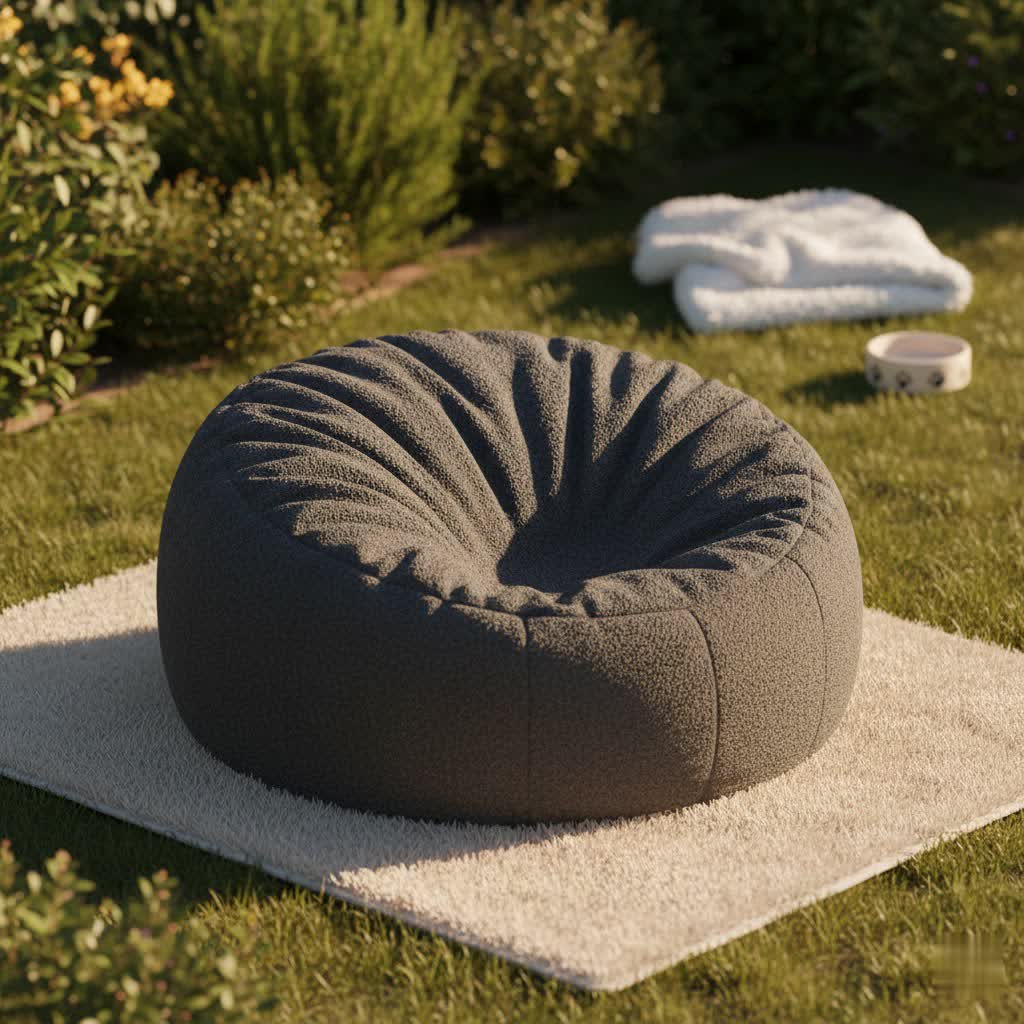
Bean bags have transcended their humble origins to become a versatile and beloved seating option in homes, offices, and recreational spaces worldwide. From cozy reading nooks to vibrant lounge areas, their appeal lies in their ability to mold to your body, offering unparalleled relaxation. However, the true magic of a bean bag isn’t just in its inviting cover but profoundly in what fills it. The choice of bean bag filling dictates everything from its comfort and support to its longevity, weight, and even its environmental impact. Understanding the various types available is crucial for selecting a bean bag that perfectly aligns with your needs and preferences, ensuring years of blissful lounging.
What is Bean Bag Filling? Why is it Important?
At its core, bean bag filling refers to the material that gives these flexible seating options their characteristic shape, comfort, and adaptability. While the name “bean bag” suggests natural beans, modern versions primarily use synthetic materials, with some natural and eco-friendly alternatives gaining popularity. Historically, early bean bags might have used dried beans, rice, or even sand, but these quickly proved impractical due to weight, susceptibility to pests, and discomfort.
The evolution of bean bag fillings has been driven by the quest for improved comfort, durability, and practical features. The filling is not merely stuffing; it’s the core component that allows a bean bag to contour to your body, offering personalized support and a feeling of weightlessness. A high-quality filling retains its loft and resilience over time, preventing the dreaded “flat bean bag” syndrome and ensuring consistent comfort. It also impacts the overall weight, noise level, and even the ease of cleaning and maintenance for your beloved lounge companion.
Types of Bean Bag Fillings on the Market
The market offers a diverse range of bean bag fillings, each with unique characteristics that influence the overall feel and performance of the bean bag. Here’s a breakdown of the most common types you’ll encounter:
Expanded Polystyrene (EPS) Beads
Expanded Polystyrene (EPS) beads are the most traditional and widely recognized bean bag filling. These small, lightweight, white spheres are essentially a plastic foam material, similar to what’s found in disposable coffee cups or packing peanuts.
- Pros: EPS beads are incredibly lightweight, making bean bags easy to move. They are also relatively inexpensive, moisture-resistant, and can retain their form well initially. “Virgin” EPS beads, made specifically for bean bags, offer better quality and density than recycled ones.
- Cons: Over time, EPS beads compress and flatten, leading to a deflated and less supportive bean bag that requires frequent refilling. They can also be noisy with a “crunching” sound as you shift. Environmentally, EPS is not readily biodegradable and contributes to plastic waste.
Shredded Memory Foam / Polyurethane Foam
|
Our Picks for the Best Bean Bag in 2026
As an Amazon Associate I earn from qualifying purchases.
|
||
| Num | Product | Action |
|---|---|---|
| 1 | 3 Feet Bean Bag Chair - BeanBag Chairs for Adults, Living Room Furniture Sofa with Soft Micro Fiber Cover, Round Fluffy Couch for Bedroom College Dorm - Grey |

|
| 2 | MAXYOYO Kids Bean Bag Chair, Stuffed Toddler Bean Bag Sofa with Filler Bean Bag Chair for Boys and Girls, Lazy Sofa with Pocket Floor Chair for Gaming, Reading, Beige |
|
| 3 | Plush Faux Fur Bean Bag Chairs, Memory Foam Filled Sofa Chair Shape Bean Bag for Adults/Teens/Kids, Ultra-Soft Lazy Sofa for Living Room Bedroom College Dorm, Grey |
|
| 4 | MAXYOYO Giant Bean Bag Chair, Oversized Bean Bag Couch for Adults and Kids, Faux Fur Shell-Shaped Large Chair with Filler, Stuffed Big Accent Sofa Lounge Floor Sofa for Gaming, Reading, Beige |
|
| 5 | 3 in 1 Big Bean Bag Chair for Adults, Large Giant BeanBag Chairs, Convertible Soft Floor Chair Cushions, Sofa & Bed, Perfect for Bedroom, Living Room, Game Room (Dark Grey) |
|
| 6 | MAXYOYO Giant Bean Bag Chair for Adults, Upholstered Loveseat Floor Sofa with Pillows and Armrests, Large Bean Bag Sofa Plush Chair Bean Bag Couch for Bedroom Living Room, Grey |
|
| 7 | 3-in-1 Giant Bean Bag Chair for Adults & Kids, Convertible Floor Sofa to Mattress, Memory Foam Beanbag Chair with Washable Cover, Multi Functional Lounge Couch for Bedroom, Living Room (Dark Grey) |
|
| 8 | Bean Bag Chair for Adults, 3FT High-Rebound Memory Foam Bean Bag Sofa with Removable Cover, Oversized Bean Bag Couch for Gaming, Reading and Relaxation, Black |
|
| 9 | MAXYOYO 3 in 1 Kids Bean Bag Chair Bed, Convertible Chair Folds from Bean Bag to Lounger, Child Floor Sofa for Gaming, Reading, Floor Mattress with High-Density Foam Filling |
|
| 10 | Big Bean Bag Chair for Adults, Ultra Soft Living Room Bean Bag with Armrests, Stuffed BeanBag Chair for Napping, Gaming, Vacuum-Compressed for Easy Gifting, 48 Hours to Fluffs Up, Dark Gray |
|
Shredded memory foam, often a blend of polyurethane foam, represents a premium and increasingly popular alternative to traditional beads. This filling consists of soft, irregularly shaped foam pieces that adapt intimately to the user’s body.
- Pros: Shredded foam provides superior comfort and ergonomic support, cradling the body for a truly luxurious feel. It maintains its shape much better than EPS beads, lasting longer and requiring less frequent refills. Many foam fillings are also hypoallergenic and resistant to mold and dust mites. Some options are made from recycled or repurposed materials, offering an eco-friendlier choice.
- Cons: Foam-filled bean bags are significantly heavier than those filled with EPS beads, making them less portable. They can also be more expensive upfront. Depending on the foam type, they might retain more heat than beads, though this is often mitigated by breathable covers.
Expanded Polypropylene (EPP) Beads
Expanded Polypropylene (EPP) beads are a newer generation of foam beads that offer an improvement over traditional EPS. They are also lightweight, but with enhanced durability and resilience.
- Pros: EPP beads are known for their excellent compression resistance, meaning they spring back to their original shape more effectively than EPS. This results in a longer lifespan and less need for refilling. They are also resistant to heat and moisture.
- Cons: While more durable, EPP beads can still produce some noise and might be slightly heavier than EPS. They are also typically more expensive than EPS.
Microbeads
Microbeads are extremely small polystyrene pellets, much finer than standard EPS beads.
- Pros: They offer a very fluid and soft feel, conforming tightly to contours.
- Cons: Due to their tiny size, microbeads are generally not suitable for large bean bags, as they can compact too quickly and become less supportive. They are primarily found in smaller items like travel pillows or therapeutic cushions. They share similar environmental concerns with larger EPS beads.
Polyester Fiberfill / Microfiber
Polyester fiberfill, or microfiber, is a soft, synthetic filling composed of fine, fluffy fibers. It’s similar to the stuffing found in traditional pillows or plush toys.
- Pros: This filling is lightweight, soft, and provides a plush, cloud-like feel. It’s often hypoallergenic and can be made from recycled materials, making it a good eco-conscious choice.
- Cons: While comfortable for lounging, fiberfill typically offers less firm support compared to foam or dense beads. It can also flatten over time and may require fluffing to restore its loft.
Natural & Eco-Friendly Alternatives
For those seeking sustainable options, several natural and recycled fillings are available, though they are less common in mass-produced bean bags.
- Buckwheat Hulls: These natural, durable, and breathable husks conform well to the body and offer firm support. They don’t retain heat and are environmentally friendly, but can be heavier and produce a subtle rustling sound.
- Recycled Foam: Often derived from furniture manufacturing scraps, recycled foam offers an eco-conscious way to enjoy the benefits of shredded foam while reducing waste.
- Dried Beans/Rice: While a historical filler, these DIY options are generally not recommended for large, long-term bean bags due to weight, potential for pest infestation, and discomfort over time.
- Old Clothes/Fabric Scraps: A highly sustainable DIY option, using shredded old clothes can provide a soft fill, but the support and consistency can vary greatly.
Comparing Bean Bag Fillings: Pros, Cons, and Optimal Choices
Choosing the right bean bag filling involves weighing various factors. Here’s a detailed comparison to help you make an informed decision:
| Feature | Expanded Polystyrene (EPS) Beads | Shredded Memory Foam / Polyurethane Foam | Expanded Polypropylene (EPP) Beads | Polyester Fiberfill / Microfiber | Buckwheat Hulls |
|---|---|---|---|---|---|
| Comfort | Soft, conforms well, but flattens over time | Superior, molds to body, plush, excellent support | Soft, good conformity, less flattening | Plush, soft, cloud-like, less supportive | Firm, conforms well, breathable, good support |
| Support | Moderate, decreases with compression | Excellent, ergonomic, long-lasting | Good, resilient, maintains support | Low to moderate, primarily for softness | Excellent, firm, therapeutic |
| Durability | Low to moderate, compresses quickly, requires refills | High, retains shape, less frequent refills | High, excellent compression resistance, long lifespan | Moderate, can flatten over time, requires fluffing | High, long-lasting, resistant to breakdown |
| Cost | Most affordable | Higher | Moderate to high | Moderate | Moderate to high (initial purchase) |
| Weight | Very lightweight, highly portable | Heavy, less portable | Lightweight, but slightly heavier than EPS | Lightweight | Very heavy, least portable |
| Noise Level | Can be noisy (crunching sound) | Quiet | Low noise | Quiet | Can be noisy (rustling sound) |
| Eco-Friendliness | Low (non-biodegradable, plastic waste) | Moderate to high (recycled options available) | Moderate (more durable, less frequent replacement) | Moderate to high (recycled options available) | High (natural, biodegradable) |
| Maintenance | Requires frequent refilling | Low, occasional fluffing | Low | Moderate, requires fluffing | Low |
| Best For | Budget-conscious, occasional use, children’s rooms | Premium comfort, main seating, long-term use, back support | Active use, areas requiring durability, outdoor use (if covered) | Decorative, light lounging, soft-touch comfort | Firm support, therapeutic, natural living spaces |
Optimal Choices
- For ultimate comfort and support: Shredded Memory Foam is generally considered the top choice, providing a luxurious, body-conforming experience ideal for extended lounging.
- For budget and portability: EPS beads remain a viable option, especially for bean bags that might be moved frequently or used in kids’ rooms where replacements are more common.
- For durability and bounce-back: EPP beads strike a good balance, offering better resilience than EPS without the significant weight of memory foam.
- For eco-conscious users: Look for shredded foam made from recycled materials, polyester fiberfill with recycled content, or natural options like buckwheat hulls.
How to Choose the Right Bean Bag Filling
Selecting the perfect bean bag filling involves a thoughtful consideration of several factors tailored to your specific needs:
- Desired Comfort Level: Do you prefer a soft, sink-in feel or firmer, more supportive seating? Memory foam offers deep contouring, while EPS provides a more fluid, adaptive feel that softens over time. Buckwheat hulls offer very firm, therapeutic support.
- Support Needs: If you suffer from back pain or plan to use the bean bag for extended periods, fillings that offer good ergonomic support, like shredded memory foam or buckwheat hulls, are paramount.
- Longevity and Durability: How long do you expect your bean bag to last without needing a refill? Foam and EPP generally offer superior durability and compression resistance compared to EPS.
- Budget: Fillings range significantly in price. EPS is the most economical, while shredded foam and EPP beads are typically more expensive, reflecting their enhanced comfort and durability.
- Environmental Concerns: If sustainability is a priority, explore options like recycled shredded foam, polyester fiberfill made from recycled plastics, or natural buckwheat hulls.
- Weight and Portability: If you plan to move your bean bag frequently, lighter fillings like EPS or polyester fiberfill are preferable. Memory foam can be quite heavy.
- Noise Level: Some users find the rustling of EPS beads or buckwheat hulls distracting. If silence is golden, shredded foam or fiberfill are quieter alternatives.
- Intended Use: Will the bean bag be primarily for children, adults, indoor lounging, or even outdoor use (in which case moisture resistance might be a factor)? The use case can help narrow down suitable filling types.
When evaluating quality, particularly for EPS beads, look for “virgin” beads with higher density, as these will compress less quickly than lower-grade or recycled options. For foam, consistent shredding and quality of the foam itself are indicators of a good product.
Top Considerations for Quality & Safety
Beyond comfort, quality and safety are non-negotiable aspects of bean bag filling.
- Virgin vs. Recycled EPS: While recycled EPS is more eco-friendly, virgin EPS beads are often denser and more uniform, leading to better longevity and less rapid compression. If opting for recycled, ensure it’s from a reputable source.
- Child-Safe Zippers: All reputable bean bags should feature child-proof safety zippers on their inner liners to prevent accidental access to the filling, which can be a choking hazard, especially for small children. These often require a paperclip or special tool to open.
- Flammability Standards: In many regions, bean bag fillings and covers must meet specific flammability standards to ensure safety. Always check for certifications or compliance with local regulations.
- Odor and Off-Gassing: Some synthetic fillings, particularly fresh foam, might have an initial chemical odor (off-gassing). Reputable manufacturers use materials that quickly dissipate these odors or use low-VOC (volatile organic compound) foams. Airing out new filling in a well-ventilated area can help.
- Hypoallergenic Properties: For individuals with allergies, choosing hypoallergenic fillings like certain shredded foams or polyester fiberfill can prevent discomfort. Buckwheat hulls are also naturally hypoallergenic.
Refilling Your Bean Bag: A Step-by-Step Guide
Even the most durable bean bag filling will eventually compress or settle, requiring a top-up to restore its plushness and support. Refilling can be a bit messy, but with the right approach, it’s a straightforward process.
When to Refill
You’ll know it’s time to refill when your bean bag feels noticeably flatter, less supportive, or no longer offers the same comfortable sink-in experience it once did. The frequency depends on the filling type and usage, but most bean bags will need a refill every 1-3 years.
Tools Needed
- New bean bag filling (ensure you have enough for your bean bag’s size).
- A large funnel (you can purchase one specifically for bean bags, or make a DIY version from stiff cardboard or by cutting a corner off the filling bag).
- A paperclip or similar tool (for child-safe zippers).
- A helper (highly recommended!).
- A broom and dustpan or vacuum cleaner for cleanup.
Process
- Prepare Your Space: Choose a calm, draft-free room, ideally with easy-to-clean flooring. Lay down a sheet or tarp to catch any spills.
- Locate the Inner Liner: Most bean bags have an outer cover and an inner liner that holds the filling. Remove the outer cover.
- Open the Child-Safe Zipper: The inner liner will have a child-safe zipper. Use a paperclip to insert into the zipper tab and carefully slide it open.
- Insert the Funnel: Have your helper hold the bean bag’s opening wide. Place your funnel firmly into the opening of the inner liner.
- Pour Slowly: Gradually pour the new filling into the funnel. If using beads, pour 2-3 cups at a time to prevent static electricity from causing a “bean blizzard.”
- Tip for Beads: If possible, try to create a sealed connection between the filling bag and the bean bag opening using duct tape or a large PVC pipe section to minimize static cling and spills.
- Test Firmness: Stop periodically to test the bean bag’s firmness by sitting on it. You want it to be supportive but still pliable enough to mold to your body. Aim for roughly 80-90% full to allow for movement.
- Seal Securely: Once filled to your liking, carefully remove the funnel and firmly close the child-safe zipper. Ensure it’s completely sealed to prevent any leakage.
- Replace Outer Cover & Clean Up: Put the outer cover back on. Thoroughly clean any stray beads or foam pieces.
Where to Buy Bean Bag Filling? So Comparing Prices and Deals
Finding quality bean bag filling is essential for maintaining your bean bag’s comfort and longevity.
- Online Retailers: Major online marketplaces (like Amazon, eBay, Walmart, Wayfair) offer a vast selection of EPS beads, shredded memory foam, and fiberfill from various brands. This often provides the best price comparison and selection.
- Specialty Bean Bag Stores: Websites dedicated to bean bags (like Ultimate Sack, Kloudsac, Lovesac) often sell their specific, high-quality fillings, which are usually optimized for their products.
- Craft and Fabric Stores: These stores sometimes carry polyester fiberfill or general foam stuffing suitable for smaller bean bags or DIY projects.
- Furniture and Home Goods Stores: Some larger retailers that sell bean bags may also stock replacement filling, particularly for their own brands.
When purchasing, always compare prices per volume (e.g., cubic feet or liters) rather than just bag price. Read customer reviews for insights into the quality, consistency, and actual amount of filling provided. Look out for bulk discounts, free shipping offers, or seasonal sales to get the best deal on your bean bag replenishment.
Conclusion: Finding Your Perfect Bean Bag Filling for Enhanced Living
Bean bags have evolved significantly, offering more than just casual seating; they provide a personalized comfort experience that adapts to your every move. The unsung hero in this equation is undoubtedly the filling. Whether you opt for the traditional lightweight ease of EPS beads, the luxurious embrace of shredded memory foam, the robust resilience of EPP, or the eco-conscious appeal of natural alternatives, your choice of filling profoundly shapes the character and longevity of your bean bag.
By understanding the unique advantages and considerations of each filling type, you are empowered to make a decision that perfectly matches your comfort preferences, lifestyle, and budget. Investing in the right filling ensures that your bean bag remains a cherished spot for relaxation, reading, or simply unwinding, providing a supportive and inviting haven for years to come. So, take a moment to consider what truly matters to you in a bean bag, and choose the filling that will unlock its full potential for enhanced living.
What’s your go-to bean bag filling, and why does it make your lounging experience perfect? Share your thoughts below!
Frequently Asked Questions
Can I mix different types of bean bag filling?
While technically possible, mixing different types of filling is generally not recommended as it can compromise the unique properties and comfort profiles of each material. For example, mixing beads with foam might lead to uneven settling or a less consistent feel. It’s usually best to stick to one type of filling for optimal performance.
How often do I need to refill my bean bag?
The frequency of refilling depends on the type of filling and how often the bean bag is used. EPS beads typically require refilling every 6 months to 2 years due to compression. Shredded memory foam and EPP beads are more durable and might only need a top-up every 2-5 years, or even longer, depending on their quality.
Are bean bag fillings toxic?
Most modern bean bag fillings sold by reputable manufacturers are designed to be non-toxic and safe for home use. EPS and EPP beads are generally inert. Shredded foam should ideally be low-VOC (volatile organic compound) to minimize off-gassing. Always check product descriptions and certifications for specific safety information, especially regarding child safety and flammability standards.
What is the most eco-friendly bean bag filling?
The most eco-friendly options typically include natural materials like buckwheat hulls, which are biodegradable and renewable. Recycled shredded foam or polyester fiberfill made from recycled plastic bottles are also excellent sustainable choices as they divert waste from landfills and reduce the demand for virgin materials.
Get our weekly buyer guide
Practical specs, not advice. Unsubscribe anytime.
