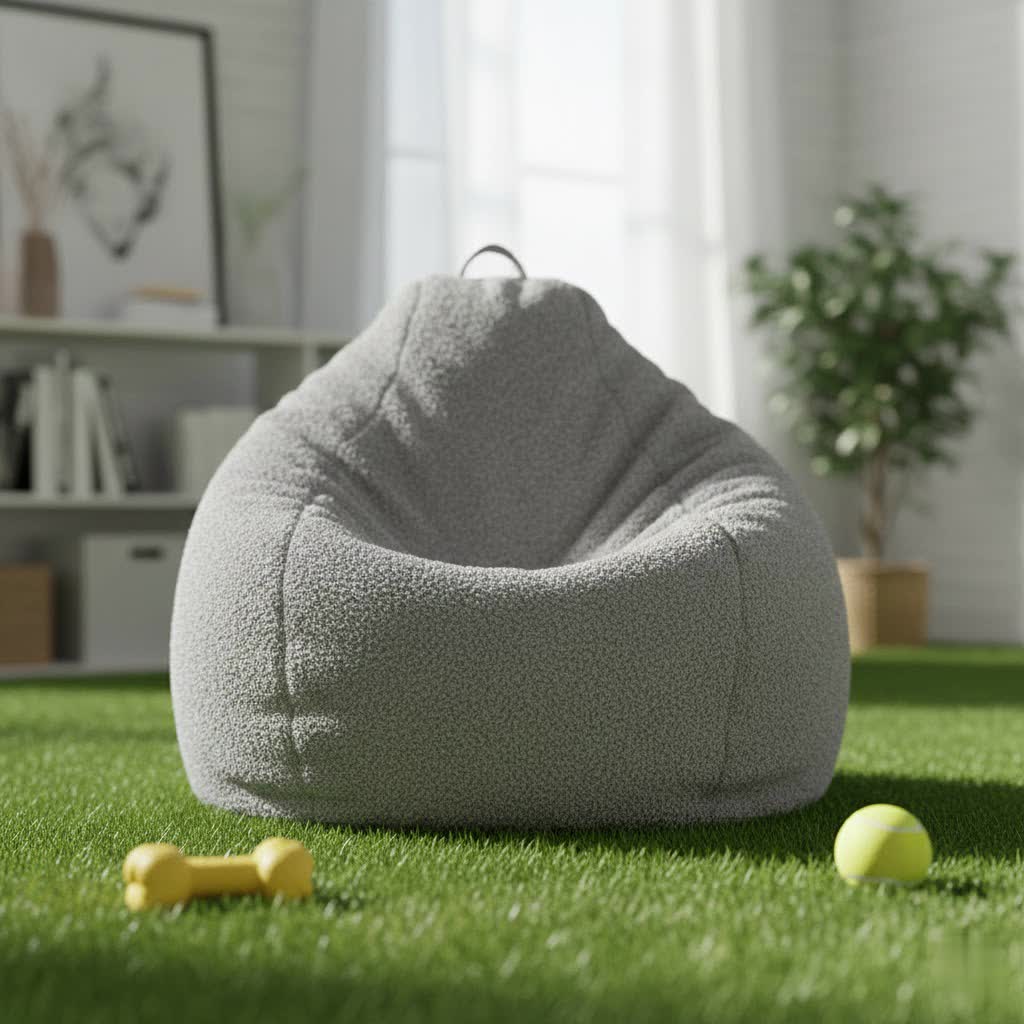
Sinking into a bean bag chair after a long day is an experience many cherish, a testament to its unparalleled comfort and adaptable charm. But what truly makes a bean bag a haven of relaxation? The secret, invariably, lies within its core: the Bean Bag Stuffing. Far from being a mere afterthought, the right filling is paramount to the chair’s comfort, longevity, and overall appeal. With myriad options available today, from classic polystyrene beads to innovative eco-friendly alternatives, navigating the world of bean bag stuffing can be overwhelming. This comprehensive guide will demystify the various types of fillers, delve into their unique benefits and drawbacks, and equip you with the knowledge to select the perfect stuffing that aligns with your comfort preferences, lifestyle, and environmental values.
Bean Bag Stuffing: What Exactly Goes Inside for Ultimate Comfort?
At its heart, bean bag stuffing refers to the loose, pliable material that gives a bean bag its distinctive shape, adaptive comfort, and supportive embrace. Historically, bean bags were quite literally filled with dried beans, rice, or other legumes, lending them their iconic name. However, modern iterations have evolved dramatically, embracing a range of synthetic and natural materials designed for superior comfort, lighter weight, and improved durability. Choosing the appropriate filling is crucial because it dictates everything from the chair’s feel and sound to its lifespan, portability, and even its environmental footprint. It’s the silent hero that transforms a simple fabric shell into a beloved piece of furniture.
Popular Types of Bean Bag Stuffing: Pros and Cons
The market offers a diverse array of bean bag stuffing, each with distinct characteristics impacting comfort, performance, and cost. Understanding these differences is key to making an informed decision.
Expanded Polystyrene (EPS) Beads
Expanded Polystyrene (EPS) beads are the quintessential bean bag filler, widely recognized and used since the 1970s. These lightweight, rigid, closed-cell foam beads are created by expanding solid polystyrene particles.
- Pros:
- Lightweight: Makes bean bags easy to move and handle.
- Affordable: Often the most budget-friendly option, especially for larger bean bags.
- Good Support: Molds effectively to the body, providing personalized comfort.
- Moisture and Heat Resistant: Suitable for various environments, including some outdoor uses.
- Cons:
- Compression: Tends to compress and flatten over time, requiring refills every 6-12 months to maintain plumpness.
- Environmental Concerns: Traditionally not easily recyclable in all facilities and not biodegradable.
- Noisy: Can produce a “crinkly” sound when shifting around.
|
Our Picks for the Best Bean Bag in 2026
We may earn a commission when you use one of our links to make a purchase.
|
||
| Num | Product | Action |
|---|---|---|
| 1 | 3 Feet Bean Bag Chair - BeanBag Chairs for Adults, Living Room Furniture Sofa with Soft Micro Fiber Cover, Round Fluffy Couch for Bedroom College Dorm - Grey |

|
| 2 | MAXYOYO Kids Bean Bag Chair, Stuffed Toddler Bean Bag Sofa with Filler Bean Bag Chair for Boys and Girls, Lazy Sofa with Pocket Floor Chair for Gaming, Reading, Beige |
|
| 3 | MAXYOYO Giant Bean Bag Chair for Adults, Upholstered Loveseat Floor Sofa with Pillows and Armrests, Large Bean Bag Sofa Plush Chair Bean Bag Couch for Bedroom Living Room, Grey |
|
| 4 | Big Bean Bag Chair for Adults, Ultra Soft Living Room Bean Bag with Armrests, Stuffed BeanBag Chair for Napping, Gaming, Vacuum-Compressed for Easy Gifting, 48 Hours to Fluffs Up, Dark Gray |
|
| 5 | 3-in-1 Giant Bean Bag Chair for Adults & Kids, Convertible Floor Sofa to Mattress, Memory Foam Beanbag Chair with Washable Cover, Multi Functional Lounge Couch for Bedroom, Living Room (Dark Grey) |
|
| 6 | MAXYOYO Giant Bean Bag Chair, Oversized Bean Bag Couch for Adults and Kids, Faux Fur Shell-Shaped Large Chair with Filler, Stuffed Big Accent Sofa Lounge Floor Sofa for Gaming, Reading, Beige |
|
| 7 | 3 in 1 Big Bean Bag Chair for Adults, Large Giant BeanBag Chairs, Convertible Soft Floor Chair Cushions, Sofa & Bed, Perfect for Bedroom, Living Room, Game Room (Dark Grey) |
|
| 8 | Bean Bag Chair for Adults, 3FT High-Rebound Memory Foam Bean Bag Sofa with Removable Cover, Oversized Bean Bag Couch for Gaming, Reading and Relaxation, Black |
|
| 9 | MAXYOYO 3 in 1 Kids Bean Bag Chair Bed, Convertible Chair Folds from Bean Bag to Lounger, Child Floor Sofa for Gaming, Reading, Floor Mattress with High-Density Foam Filling |
|
| 10 | Plush Faux Fur Bean Bag Chairs, Memory Foam Filled Sofa Chair Shape Bean Bag for Adults/Teens/Kids, Ultra-Soft Lazy Sofa for Living Room Bedroom College Dorm, Grey |
|
Virgin vs. Recycled EPS: While recycled EPS offers an environmental benefit, virgin beads are generally recommended for better quality, consistency, and a longer lifespan, offering superior support and shape retention.
Expanded Polypropylene (EPP) Beads
Expanded Polypropylene (EPP) beads are a newer, more advanced synthetic alternative to EPS, known for their enhanced resilience and durability.
- Pros:
- Superior Resilience: Withstands compression better than EPS, returning to its original shape more readily.
- Longer Lifespan: Lasts significantly longer, typically 12-24 months or more before needing a refill.
- Quieter: Less “crinkly” noise compared to EPS beads, offering a more serene seating experience.
- Recyclable: Many EPP products are recyclable, making them a more eco-conscious synthetic choice.
- Comfortable: More flexible than EPS, conforming to the body for a softer feel.
- Cons:
- Heavier: Slightly heavier than EPS, which can impact portability for very large bean bags.
- Higher Cost: Generally more expensive than EPS beads.
Shredded Memory Foam
Often composed of repurposed foam scraps from mattress and furniture manufacturing, shredded memory foam offers a luxurious and supportive filling.
- Pros:
- Luxurious Comfort: Provides a plush, deep-sinking comfort that contours perfectly to the body.
- Excellent Support: Offers robust, consistent, and long-lasting support, ideal for extended sitting.
- Highly Durable: Boasts a longer lifespan, often lasting 3-5 years or more before needing a refresh.
- Hypoallergenic: Generally resistant to mold, mildew, and dust mites, making it suitable for allergy sufferers.
- Eco-Friendly Options: Many manufacturers use recycled or repurposed foam, minimizing waste.
- Cons:
- Heavy and Bulky: Can make bean bags considerably heavier and harder to move or fluff.
- Heat Retention: Tends to retain body heat, which might be less desirable in warmer climates.
- Higher Cost: Typically the most expensive synthetic filling option.
- Odor: Can sometimes have an initial off-gassing smell, though this usually dissipates.
Natural and Eco-Friendly Alternatives
For those prioritizing sustainability and natural materials, several environmentally conscious stuffing options are gaining popularity.
- Buckwheat Hulls: These provide a firm, breathable, and highly supportive filling that conforms to your shape without trapping heat. They are natural and chemical-free, often used in meditation cushions. However, they are heavier, can be noisy, and require protection from moisture to prevent degradation or pests.
- Millet Hulls: Similar to buckwheat but smaller and softer, millet hulls offer a gentler, yet still supportive, natural fill. They share the benefits of breathability and eco-friendliness but are also denser than synthetic beads.
- Kapok Fiber: Derived from the seeds of the kapok tree, this fluffy, cotton-like fiber is lightweight, soft, and hypoallergenic. It provides good cushioning and is a completely natural, biodegradable option, though it may offer less structural support than other fillings and can flatten over time.
- Natural Latex: Made from rubber tree sap, natural latex is resilient, supportive, and durable. It holds its shape well and is an eco-friendly choice, often available in shredded form. It can, however, be more expensive.
- Recycled Materials: DIY enthusiasts sometimes use shredded plastic bags, old clothes, fabric scraps, or even shredded old pillows. While this is a highly sustainable and cost-effective method for zero waste, it often results in inconsistent comfort, lumpiness, and potential noise.
Comparing Bean Bag Stuffing Types: Pros, Cons, and Optimal Choices
To simplify your decision, here’s a detailed comparison of the most popular bean bag stuffing types across key criteria:
| Criteria | EPS Beads | EPP Beads | Shredded Memory Foam | Natural Hulls (Buckwheat/Millet) | Kapok Fiber |
|---|---|---|---|---|---|
| Comfort Level | Molds to body, lightweight, supportive | Flexible, soft, conforms to body | Plush, deep sink, contours to body | Firm, breathable, adaptive support | Soft, fluffy, lightweight cushioning |
| Durability/Lifespan | Low-Moderate (6-12 months) | Moderate-High (12-24+ months) | High (3-5+ years) | Moderate (can degrade if moist) | Moderate (can flatten over time) |
| Refill Frequency | Frequent | Less Frequent | Infrequent | Varies (needs occasional fluffing) | Varies (needs occasional fluffing) |
| Weight | Very Lightweight | Lightweight | Heavy | Heavy | Very Lightweight |
| Noise Level | Can be “crinkly” | Quieter | Silent | Can be “rustling” | Silent |
| Heat Retention | Low | Low | High | Low (breathable) | Low |
| Cost | Lowest | Moderate | Highest | Moderate-High | Moderate-High |
| Eco-Friendliness | Limited recyclability, not biodegradable | Recyclable, but still plastic | Often from recycled materials, but not compostable | Biodegradable, natural, renewable | Biodegradable, natural, renewable |
| Best For | Budget-conscious, kids’ rooms, casual seating | Durable, quiet comfort, light portability | Luxurious comfort, long-term use, ergonomic support | Firm support, breathable, natural preference | Soft cushioning, natural, hypoallergenic |
When choosing, reflect on what you value most. Do you seek the softest embrace, long-lasting support, or a guilt-free eco-friendly option? Each type offers a unique experience.
Guide to Choosing Quality Bean Bag Stuffing
Selecting the best bean bag stuffing goes beyond just picking a type; it involves considering several factors to ensure you get a quality product that meets your expectations.
- Size and Purpose: For large bean bags intended as primary seating, prioritize durability and support. For smaller, decorative, or children’s bean bags, lighter, more affordable options may suffice.
- Material Quality: Opt for virgin EPS/EPP beads over poorly recycled ones for better consistency and longevity. For shredded foam, look for CertiPUR-US certified options, ensuring they are made without harmful chemicals.
- Safety Features: If choosing synthetic beads, check for flame-retardant treatments, especially important for home use. Ensure natural fillers are thoroughly dried and cleaned to prevent mold or pests.
- Supplier Reputation: Purchase from reputable brands or suppliers known for quality and transparent product information. Read customer reviews to gauge real-world performance.
- Warranty/Return Policy: A good warranty or return policy can provide peace of mind, especially for higher-investment fillings like shredded foam.
Remember to physically test a bean bag with your preferred filling type if possible, or consult detailed descriptions and reviews.
Top 5 Most Popular Bean Bag Fillings Today
While personal preference always plays a significant role, certain bean bag stuffing types consistently rise to the top for their blend of comfort, practicality, and innovation.
- Expanded Polystyrene (EPS) Beads: Still the reigning champion for affordability and classic bean bag feel. Its lightweight nature and ability to conform make it a perennial favorite, especially for kids’ rooms and casual lounge areas. While it compresses, its low cost makes refills manageable.
- Shredded Memory Foam: For those seeking unparalleled luxury and ergonomic support, shredded memory foam is a top contender. Its ability to cradle the body, coupled with its durability and hypoallergenic properties, makes it highly sought after for adult living spaces and home theaters.
- Expanded Polypropylene (EPP) Beads: As a superior alternative to EPS, EPP beads are gaining immense popularity. They offer better resilience, a longer lifespan, and a quieter experience, appealing to users who want an upgrade from traditional beads without the weight of foam.
- Buckwheat Hulls: For the eco-conscious or those desiring firm, natural support, buckwheat hulls are a leading choice. Their unique texture provides excellent airflow and adaptive firmness, making them popular for meditation cushions and supportive seating.
- Recycled Shredded Foam/Fabric: This category encompasses various repurposed materials, primarily driven by sustainability and DIY enthusiasm. While variable in comfort, the appeal lies in minimizing waste and creating unique, personal seating solutions.
“The shift towards more sustainable and comfortable bean bag fillings reflects a broader trend in home furnishings where consumers demand both luxury and responsibility.” – Dr. Elena Petrova, Material Science Expert
Proper Use and Care of Bean Bag Stuffing
Extending the life and comfort of your bean bag, and its stuffing, involves both careful use and maintenance.
How to Refill Your Bean Bag: A Step-by-Step Guide
Refilling your bean bag can be a messy affair if not done carefully, especially with lightweight beads. It’s often a two-person job.
- Preparation: Choose a wind-free room. Gather your new filling, a large wide-mouth funnel (a rolled-up piece of cardboard or poster board works), a paper clip (for child-safe zippers), and a vacuum cleaner for inevitable spills.
- Locate the Zipper: Most bean bags have a child-proof zipper on an inner liner. Use a paper clip or safety pin to pull the zipper open.
- Create a Funnel: Insert your funnel into the opening of the inner liner. You can line the funnel with dryer sheets to reduce static cling from polystyrene beads.
- Gradual Pouring: Slowly pour 2-3 cups of filling at a time into the funnel. Avoid rushing, as beads can easily static cling and fly everywhere. One person can hold the bean bag and funnel steady while the other pours.
- Test Firmness: Periodically stop and test the bean bag’s firmness. You want it full enough to be supportive, but with enough give to contour to your body. Don’t overfill!
- Secure the Zipper: Once filled to your liking, remove the funnel and securely close the child-safe zipper.
Maintaining Optimal Plumpness and Cleanliness
- Fluffing: Regularly fluff your bean bag to redistribute the filling and maintain its shape and comfort. This is especially important for shredded foam to prevent clumping.
- Topping Up: Synthetic beads will compress over time. Keep some extra filling on hand to top up your bean bag when it starts to feel flat, usually every 6-12 months for EPS or 1-2 years for EPP.
- Spot Cleaning: For minor spills on the outer cover, spot clean according to the fabric care instructions. For internal spills or moisture with natural fillings, immediate action is crucial to prevent mold or odors. If using natural fillers, ensure they remain completely dry.
- Ventilation: If using foam, occasional airing out can help dissipate any odors and keep it fresh.
Where to Buy Bean Bag Stuffing? Price Comparison and Deals
Finding quality bean bag stuffing is easier than ever with various retailers offering a wide selection.
- Online Retailers: Websites like Amazon, Wayfair, Etsy, and dedicated bean bag specialty stores (e.g., Ultimate Sack, Lovesac) offer a broad range of synthetic and natural fillers, often with competitive pricing and bulk options. Look for clear product descriptions, certifications (like CertiPUR-US), and customer reviews.
- Home Goods and Department Stores: Larger furniture or home goods stores might carry basic EPS bead refills, but specialized options are less common.
- Craft Stores: Sometimes carry smaller quantities of polystyrene beads for craft projects, which can be expensive for full bean bag refills.
- Local Upholstery/Foam Shops: These can be great sources for shredded foam, sometimes even offering off-cuts at a reduced price.
Smart Shopping Tips:
- Compare Unit Price: When buying in bulk, compare the cost per liter or cubic foot, not just the bag price.
- Look for Sales: Keep an eye out for seasonal sales or discounts, especially for larger quantities.
- Consider Shipping Costs: Stuffing can be bulky, so factor in shipping fees, especially for online purchases.
- Read Reviews: Customer reviews are invaluable for assessing comfort, durability, and refill experiences with specific products.
Conclusion: Choosing the Perfect Bean Bag Stuffing for a Comfortable Life
The journey to finding your ideal bean bag is intrinsically linked to understanding its inner world – the stuffing that cradles and supports you. From the classic lightweight comfort of EPS beads to the resilient support of EPP, the luxurious embrace of shredded memory foam, and the earthy appeal of natural alternatives like buckwheat hulls, each filling offers a unique promise of relaxation. Your choice ultimately hinges on a balance of desired comfort, longevity, environmental considerations, and budget. By carefully evaluating these factors, you can select a bean bag stuffing that not only enhances your comfort but also complements your lifestyle and values. It’s an investment in your daily dose of relaxation.
What’s your preferred bean bag filling, and what makes it perfect for you? Share your insights and help others discover their ultimate comfort!
Frequently Asked Questions
What is the most common bean bag filling?
The most common bean bag filling is Expanded Polystyrene (EPS) beads. These lightweight, affordable beads conform well to the body, providing that classic “sink-in” comfort many associate with bean bags, making them a popular and readily available choice.
How often do I need to refill my bean bag?
Refill frequency varies significantly with the filling type. EPS beads typically compress and require topping up every 6-12 months. More resilient EPP beads may last 12-24 months, while durable shredded memory foam can maintain its loft for 3-5 years or even longer before needing a refresh.
Can I use old clothes or towels as bean bag stuffing?
Yes, old clothes, towels, or shredded fabric scraps can be used as a DIY, eco-friendly bean bag filler, especially for smaller bags. However, be aware that these materials may result in a lumpy feel, offer inconsistent support, and may not provide the same long-term comfort as specialized commercial fillings.
Are eco-friendly bean bag fillings as comfortable as traditional ones?
Eco-friendly options like buckwheat hulls or kapok fiber offer distinct comfort profiles. Buckwheat hulls provide a firm, adaptive, and breathable support, while kapok is exceptionally soft and lightweight. While different from synthetic beads or foam, many find these natural alternatives equally comfortable, especially for specific preferences or uses like meditation and sustainable living.
What’s the difference between virgin and recycled EPS beads?
Virgin EPS beads are newly produced, offering consistent size, density, and better durability, leading to longer-lasting comfort and support. Recycled EPS beads, often repurposed from packaging, can be less uniform, may compress faster, and might provide a less even or lumpier feel than their virgin counterparts.