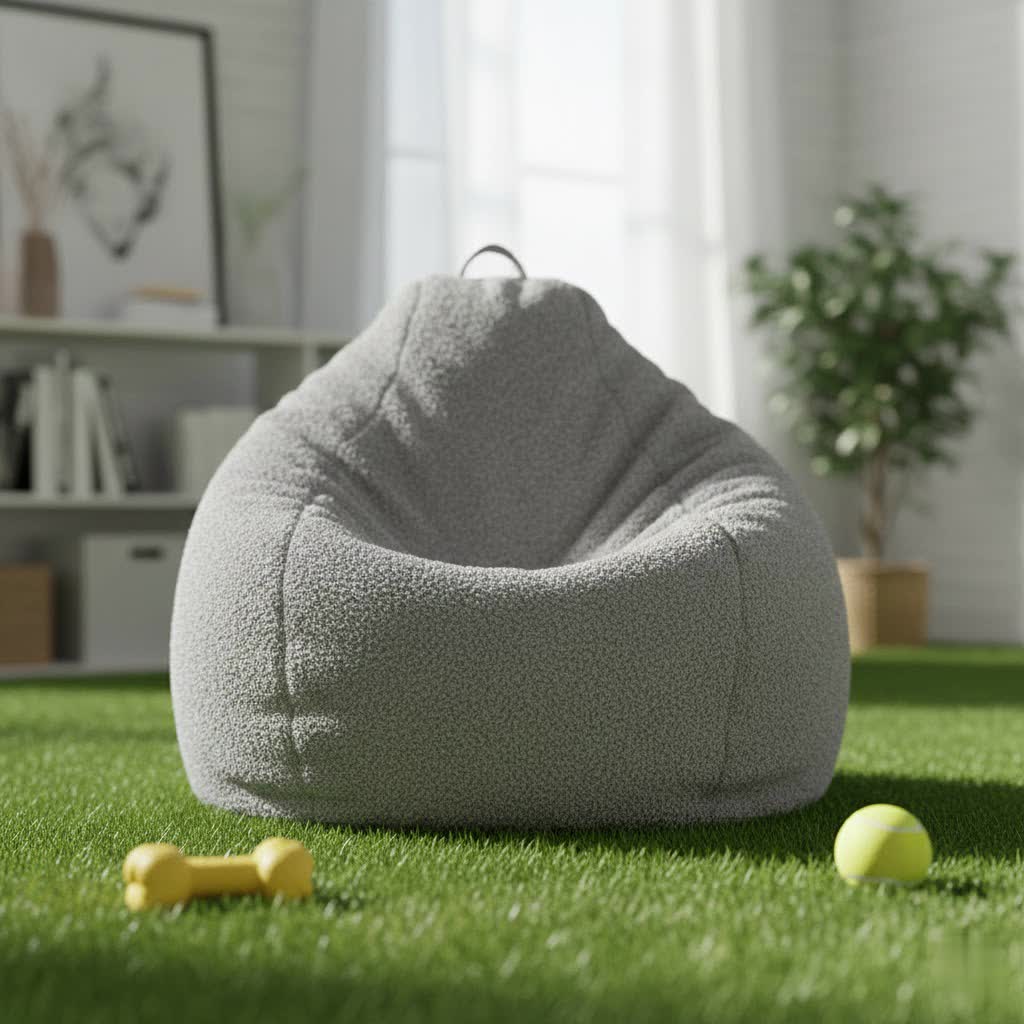
Bean bags have transcended their bohemian origins to become a beloved staple in children’s rooms worldwide. Far more than just a quirky piece of furniture, a child’s bean bag offers a unique blend of comfort, versatility, and fun, creating a personal haven for little ones to read, play, and relax. However, with countless options available, selecting the ideal bean bag requires careful consideration of safety, durability, and your child’s specific needs.
What is a Child’s Bean Bag? Why Are They So Popular?
A child’s bean bag is essentially a soft, flexible seat designed specifically for younger users. Unlike rigid chairs, bean bags conform to the body’s shape, providing a snug and supportive experience. Their journey from simple, adult-sized seating to specialized children’s furniture highlights an understanding of how kids interact with their environment.
Their widespread popularity stems from several key factors. Firstly, they offer unparalleled comfort, molding to a child’s unique posture and providing a cozy spot for various activities. Secondly, bean bags are incredibly versatile, easily moved from a bedroom reading nook to a playroom gaming station. They add a playful touch to any decor and often come at a more affordable price point than traditional children’s furniture. Common uses include creating a personal reading spot, a comfortable perch for video games, an extra seat for friends, or even a clever storage solution for stuffed animals.
Popular Types of Child’s Bean Bags on the Market
The market for child’s bean bags is diverse, offering a range of options categorized by shape, size, material, and filling. Understanding these distinctions is crucial for making an informed choice.
By Shape
- Traditional Round: The classic, free-form bean bag that molds to any sitting position, perfect for lounging.
- Structured (with backrests): Designed to mimic a chair, providing more defined back support, ideal for reading or gaming where a more upright posture is desired.
- Teardrop/Pear-shaped: Offers a natural backrest when upright but can also be flattened for lounging.
- Animal-shaped or Character-themed: Often popular with younger children, these add a whimsical touch and can double as giant plush toys.
- Lounger Styles: Larger, elongated shapes that allow children to stretch out more fully, suitable for older kids or sleepovers.
|
Our Picks for the Best Bean Bag in 2026
We may earn a commission when you use one of our links to make a purchase.
|
||
| Num | Product | Action |
|---|---|---|
| 1 | 3 Feet Bean Bag Chair - BeanBag Chairs for Adults, Living Room Furniture Sofa with Soft Micro Fiber Cover, Round Fluffy Couch for Bedroom College Dorm - Grey |

|
| 2 | Plush Faux Fur Bean Bag Chairs, Memory Foam Filled Sofa Chair Shape Bean Bag for Adults/Teens/Kids, Ultra-Soft Lazy Sofa for Living Room Bedroom College Dorm, Grey |
|
| 3 | MAXYOYO 3 in 1 Kids Bean Bag Chair Bed, Convertible Chair Folds from Bean Bag to Lounger, Child Floor Sofa for Gaming, Reading, Floor Mattress with High-Density Foam Filling |
|
| 4 | 3 in 1 Big Bean Bag Chair for Adults, Large Giant BeanBag Chairs, Convertible Soft Floor Chair Cushions, Sofa & Bed, Perfect for Bedroom, Living Room, Game Room (Dark Grey) |
|
| 5 | MAXYOYO Giant Bean Bag Chair for Adults, Upholstered Loveseat Floor Sofa with Pillows and Armrests, Large Bean Bag Sofa Plush Chair Bean Bag Couch for Bedroom Living Room, Grey |
|
| 6 | MAXYOYO Kids Bean Bag Chair, Stuffed Toddler Bean Bag Sofa with Filler Bean Bag Chair for Boys and Girls, Lazy Sofa with Pocket Floor Chair for Gaming, Reading, Beige |
|
| 7 | MAXYOYO Giant Bean Bag Chair, Oversized Bean Bag Couch for Adults and Kids, Faux Fur Shell-Shaped Large Chair with Filler, Stuffed Big Accent Sofa Lounge Floor Sofa for Gaming, Reading, Beige |
|
| 8 | Bean Bag Chair for Adults, 3FT High-Rebound Memory Foam Bean Bag Sofa with Removable Cover, Oversized Bean Bag Couch for Gaming, Reading and Relaxation, Black |
|
| 9 | Big Bean Bag Chair for Adults, Ultra Soft Living Room Bean Bag with Armrests, Stuffed BeanBag Chair for Napping, Gaming, Vacuum-Compressed for Easy Gifting, 48 Hours to Fluffs Up, Dark Gray |
|
| 10 | 3-in-1 Giant Bean Bag Chair for Adults & Kids, Convertible Floor Sofa to Mattress, Memory Foam Beanbag Chair with Washable Cover, Multi Functional Lounge Couch for Bedroom, Living Room (Dark Grey) |
|
By Size
Child’s bean bags come in sizes ranging from small options perfectly suited for toddlers, to medium and large sizes for school-aged children, and even oversized versions that can accommodate teenagers or provide extra space for younger kids.
By Material
The outer cover and internal filling significantly impact a bean bag’s durability, comfort, and ease of maintenance.
Cover Materials:
- Cotton: Soft, breathable, and a natural choice. However, it may be less durable against heavy wear and more prone to staining, making it suitable for low-traffic areas.
- Polyester/Nylon: Highly durable, water-resistant, and easy to clean, making these ideal for active kids and spill-prone environments. They are versatile for both indoor and outdoor use.
- Faux Leather/Leatherette: Offers a sleek, modern look and is very easy to wipe clean, though it might feel cooler to the touch than fabric options.
- Microsuede: Known for its soft, luxurious texture and durability, it’s also relatively easy to clean.
- Faux Fur or Plush: Provides ultimate coziness and a cuddly feel, especially appealing in colder rooms, but may require more delicate cleaning.
Filling Materials:
- Expanded Polystyrene (EPS) Beads: The traditional bean bag filling, these are lightweight and highly moldable, offering that classic “crunchy” bean bag feel. They can, however, flatten over time and may require refluffing or refilling. EPS beads can also pose a choking hazard if the bag tears and the beads become accessible.
- Shredded Memory Foam (Polyfoam): A popular modern alternative, memory foam provides superior support, retains its shape better, and offers a quieter, more cushioned experience. It’s often hypoallergenic and can deter dust mites, but chairs with this filling tend to be heavier.
- Natural Fillers: Options like buckwheat hulls or kapok are eco-friendly and biodegradable, offering a firmer, supportive feel. They are hypoallergenic but may compress over time and need occasional replenishment.
Comparing Child’s Bean Bag Types: Pros, Cons, and Optimal Choices
Choosing the right child’s bean bag involves balancing various factors. Here’s a comparison to help guide your decision:
| Feature/Type | Durability | Comfort | Ease of Cleaning | Price | Safety Considerations | Optimal Choice For |
|---|---|---|---|---|---|---|
| EPS Bead Filling | Moderate | High (moldable) | Varies by cover | Low-Moderate | Choking hazard if bag tears; requires child-resistant zippers. | Lightweight, affordable options; occasional use. |
| Memory Foam Filling | High | Very High (supportive) | Varies by cover | Moderate-High | Generally safer (no small beads); heavier, less flexible. | Long-term comfort, better support; reducing allergens. |
| Cotton Cover | Moderate | Very High (soft, breathable) | Low (stains easily) | Moderate | Generally good. | Toddlers; bedrooms with less messy play. |
| Polyester Cover | High (stain/water-resistant) | Moderate | High (easy wipe/wash) | Moderate | Generally good. | Active kids, playrooms, outdoor use. |
| Faux Fur Cover | Moderate | Very High (plush) | Moderate (more care) | Moderate-High | Generally good. | Cozy reading nooks; aesthetic appeal. |
| Structured Shapes | High | High (defined support) | Varies by cover | Moderate-High | Good for posture support, but ensure size is appropriate for child to avoid slouching. | Gaming, reading, older children needing more support. |
| Traditional Round | Moderate | Very High (flexible) | Varies by cover | Low-Moderate | Ensure proper filling and safety zippers. | Versatile lounging, younger children. |
Memory foam bean bags, while potentially heavier and pricier, offer superior ergonomic support and longevity compared to traditional EPS bead-filled options. For very active children or areas prone to spills, polyester or nylon covers are often the most practical choice due to their durability and ease of cleaning.
How to Choose a Quality Child’s Bean Bag
Selecting a high-quality child’s bean bag involves prioritizing safety, durability, and functional features.
Key Factors to Consider
- Size and Shape: Ensure the bean bag is appropriately sized for your child’s age and the space it will occupy. A toddler needs a smaller, lower bag, while an older child might benefit from a larger lounger or a structured chair for gaming or reading.
- Material Quality: The outer fabric should be robust enough to withstand typical child’s play. Look for double-stitched seams, which are crucial for preventing tears and containing the filling.
- Child-Resistant Zippers: This is a non-negotiable safety feature. According to regulations, bean bags must have child-resistant fasteners that require a special tool (like a paperclip) to open. This prevents curious children from accessing the internal filling, which can pose a severe choking hazard.
- Filling Type: Memory foam offers excellent support and durability, while EPS beads are lighter. If choosing EPS beads, confirm the child-resistant zipper and strong seams are in place.
- Safety Standards and Warning Labels: Always look for products that comply with consumer product safety commission (CPSC) regulations. These standards mandate specific safety features like child-resistant closures and permanent warning labels. Avoid any bean bag that seems to have an easily accessible zipper or lacks appropriate warnings.
- Reputable Manufacturer and Warranty: Purchasing from a trusted brand that offers a warranty can provide peace of mind regarding product quality and customer support.
Important Buying Tips
Before purchasing, always check the product thoroughly. Inspect the stitching, test the zipper, and confirm the filling type. Reading customer reviews can offer valuable insights into a bean bag’s real-world performance and durability. Don’t hesitate to ask sellers detailed questions about safety features and materials.
Highly Recommended Features and Types for Kids’ Bean Bags
While specific brand recommendations can change, focusing on universally loved features and innovative designs helps in choosing the best child’s bean bag.
Parents frequently seek out storage bean bags, which cleverly double as a soft seat and a discreet way to store a mountain of stuffed animals, encouraging tidiness in a fun way. Convertible bean bags are another ingenious option, transforming from a comfortable chair into a small mattress for spontaneous sleepovers, offering versatility that maximises space.
For durability and easy maintenance, look for bean bags with machine-washable covers made from robust materials like polyester, microfiber, or cotton twill. These stand up to spills and general wear, making cleanup a breeze. Designs with ergonomic shapes that offer a distinct backrest are increasingly popular for older children and teens, providing better support during extended reading or gaming sessions. Character-themed bean bags remain a hit with younger children, blending seamlessly into themed bedrooms and play spaces.
How to Use and Care for Your Child’s Bean Bag
Proper use and regular maintenance will extend the life of your child’s bean bag and ensure it remains a safe and comfortable spot.
Best Practices for Use
Encourage children to sit in the bean bag rather than jump on it, especially if it’s filled with traditional beads, as excessive force can stress seams. While bean bags offer adaptable comfort, pediatric physical therapists suggest limiting prolonged use as a primary seating option for activities requiring good posture, such as homework, to avoid potential slouching and impact on spinal alignment. Regularly fluffing and rotating the bean bag helps redistribute the filling, maintaining its shape and comfort.
Cleaning and Maintenance
- Covers: Many modern bean bags come with removable, machine-washable covers. Always check the care label for specific washing instructions to prevent shrinking or damage.
- Spot Cleaning: For minor spills or stains on non-removable covers, spot clean with a mild soap and water solution, then blot dry.
- Refluffing: If the bean bag begins to flatten, simply fluff it up by tossing it gently or redistributing the filling by hand.
- Refilling: If your bean bag is refillable, ensure you purchase child-safe refill beads (often EPS or shredded foam). Always perform refilling in an area away from children and ensure the child-resistant zipper is securely closed afterward.
Common Issues and Solutions
- Flattening: This is common, especially with EPS bead fillings. Regular refluffing helps, but eventually, refilling may be necessary.
- Tears/Rips: Inspect your bean bag periodically for any signs of wear or tears. If a tear occurs, especially exposing the filling, repair it immediately or replace the bean bag to prevent choking hazards.
Where to Buy Child’s Bean Bags: Price Comparison and Deals
Child’s bean bags are widely available, offering options for every budget and preference.
Shopping Destinations
- Online Retailers: Websites like Amazon, Wayfair, and Overstock offer a vast selection from various brands, often with competitive pricing and detailed reviews.
- Specialized Children’s Furniture Stores: Retailers like Pottery Barn Kids often feature higher-quality, design-focused options that can be personalized.
- Department Stores: Many large department stores carry a range of bean bags, from budget-friendly to premium.
- Direct from Manufacturers: Some brands, like Ultimate Sack or CordaRoy’s, sell directly from their websites, often providing specific details about their unique fillings and safety features.
Price and Deals
The price of a child’s bean bag can vary significantly based on size, cover material (e.g., faux fur vs. cotton), filling type (memory foam is typically more expensive), and brand reputation. Expect prices to range from around $30 for basic models to over $200 for premium, large, or convertible options.
To find the best deals, keep an eye out for seasonal sales, holiday promotions, and clearance events. Comparing prices across different retailers is always a good strategy. Subscribing to newsletters from your favorite home goods or children’s stores can also alert you to exclusive discounts.
Conclusion: Choosing the Ideal Bean Bag for a Comfortable Life
A child’s bean bag is more than just a piece of furniture; it’s an invitation to comfort, imagination, and a personal space tailored just for them. From providing a cozy spot for storytime to becoming the ultimate gaming chair, the benefits are undeniable. When making your selection, prioritize safety features like child-resistant zippers and durable materials, ensuring the bean bag is built to withstand the rigors of childhood while keeping your little one safe. Consider the filling that best suits their needs for comfort and support, and choose a design that sparks joy and complements their unique personality.
By investing wisely in a quality child’s bean bag, you create a versatile and cherished spot that adapts as they grow, offering endless moments of relaxation and play. What experiences have you had with finding the perfect bean bag for your child? Share your thoughts and questions below!
Frequently Asked Questions
Are bean bags safe for toddlers?
Yes, modern bean bags can be safe for toddlers, but it’s crucial to choose one that adheres to strict safety standards. Look for features like child-resistant zippers (requiring a tool to open) to prevent access to the filling, durable, double-stitched seams to avoid tears, and clear warning labels.
What is the best filling for a child’s bean bag?
The “best” filling depends on your priorities. Expanded Polystyrene (EPS) beads are lightweight and affordable, offering a classic moldable feel. Shredded memory foam (polyfoam) provides superior support, retains shape, is quieter, and can be hypoallergenic, though it’s typically heavier and more expensive.
Can a child sleep in a bean bag?
While bean bags are wonderfully comfortable for naps or short lounging sessions, they are generally not recommended as a primary sleeping surface for children. They may not offer the consistent spinal support needed for developing bodies, potentially affecting posture over prolonged periods. For occasional sleepovers, a convertible bean bag that unfolds into a mattress can be a good option.
How do you clean a child’s bean bag?
Most child’s bean bags feature removable, machine-washable covers, which are the easiest to clean. Always check the specific care instructions on the label. For non-removable covers or minor spills, spot cleaning with a mild detergent and damp cloth is usually effective.
How long do child’s bean bags last?
The lifespan of a child’s bean bag varies greatly depending on its quality, the materials used, and how frequently and vigorously it’s used. High-quality bean bags with durable covers and memory foam filling can last several years, while cheaper models with thin fabric and EPS beads may show wear and flattening much sooner. Regular maintenance, like refluffing and cleaning, also contributes to longevity.